Blog

Welcome!

I’m a photographer who writes to paraphrase Austin Kleon. Therefore, my blog combines posts on books (reading, writing, musing over), lots of photos (all taken by me, unless otherwise stated), culture and arts in general, some astronomy and space (I’m a Science-Fiction fan), and cats as cats rule the internet.


Not much time? Read My Top Ten Blog Posts.

The Poet

  1. Things to Do in the Belly of the Whale
  2. From Blossoms
  3. Wild Geese
  4. The Peace of Wild Things
  5. My Gift to You
  6. Departing Spring
  7. The Skylark
  8. What a Strange Thing!
  9. Although The Wind …
  10. The Old Pond
  11. Spring Is Like A Perhaps Hand
  12. Hast thou 2 loaves of bread …
  13. Youth and Age
  14. A Postcard From the Volcano
  15. The Kraken
  16. He wishes for the Cloths of Heaven
  17. There Is a Solitude of Space
  18. Because I Could Not Stop for Death
  19. Mad Song
  20. Answer July
  21. Success Is Counted Sweetest
  22. Hope Is the Thing with Feathers
  23. The Bluebird
  24. A Vision of the End
  25. The Crying of Water
  26. A Rose Has Thorns As Well As Honey
  27. Winter
  28. The Dark Cavalier
  29. There is no Life or Death
  30. Sheep in Winter
  31. To a Snowflake
  32. Sextain
  33. A Crocodile
  34. Sea Fever
  35. The Giant Cactus of Arizona
  36. The Coming of Night
  37. Going to the Picnic
  38. Moon Tonight
  39. A Southern Night
  40. Greenness
  41. Twilight
  42. On the Wing
  43. In Summer
  44. Before Parting
  45. Sonnet
  46. The Red Wheelbarrow
  47. Acceptance
  48. At The Pool
  49. Incurable
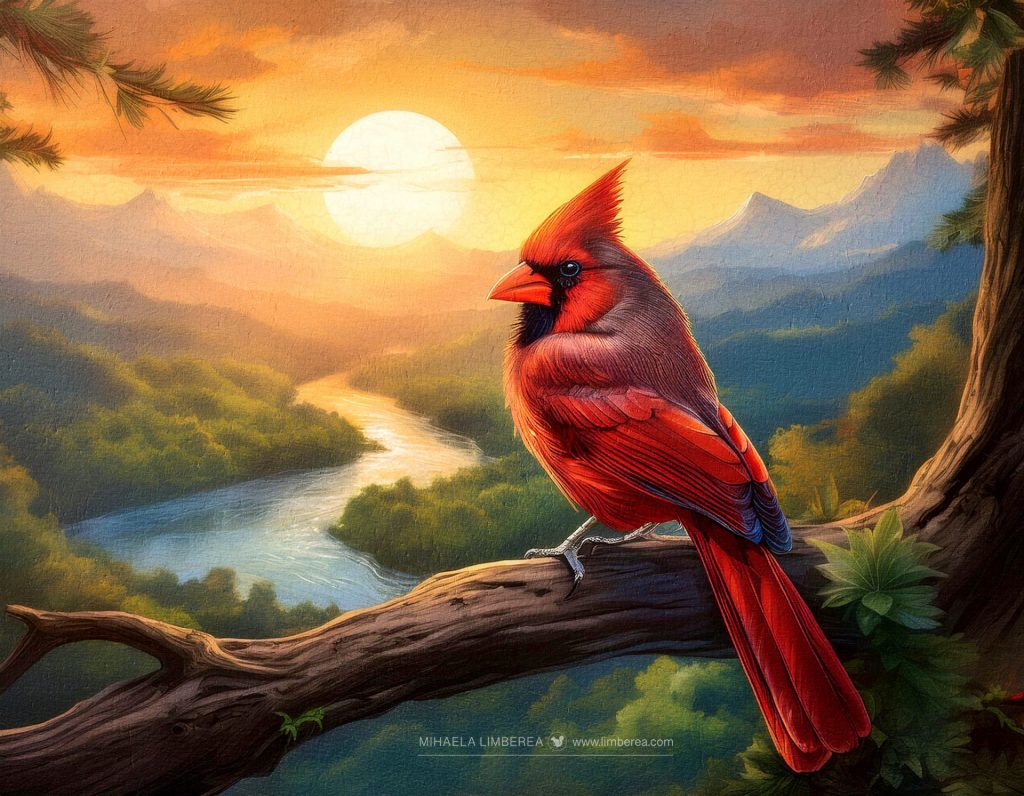
  50. Bluebird and Cardinal
  51. [Say What You Will, And Scratch My Heart To Find]
  52. The River
  53. Vas Doloris
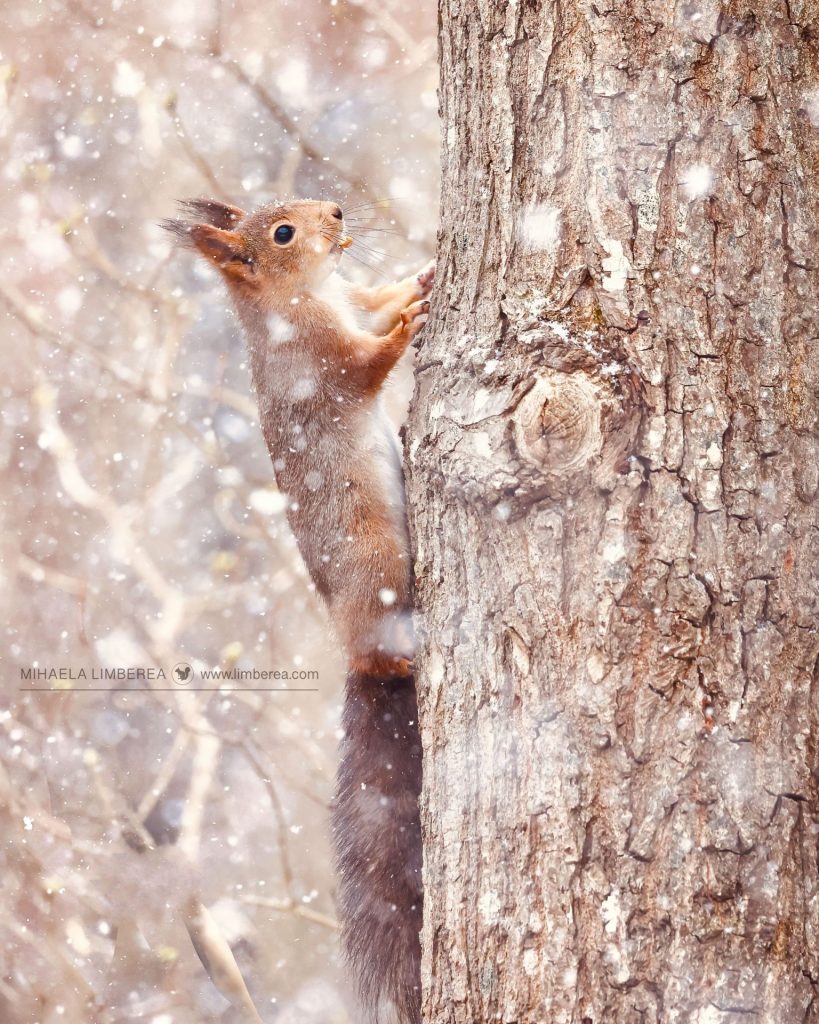
  54. Squirrel
  55. Ghosts
  56. The Spirit of Poetry
  57. Nightfall in the Tropics
  58. Journey of the Magi
  59. The City Lights
  60. January
  61. Winter Night
  62. My Heart Has Known Its Winter
  63. Things Said When He Was Gone
  64. Jabberwocky
  65. Expectancy
  66. Surrender
  67. At the Mid Hour of Night
  68. Fog
  69. The Things I Love
  70. Spring
  71. The Earth-Child in the Grass
  72. The Rivals
  73. A Line-storm Song
  74. To the Daisy
  75. It sifts from Leaden Sieves
  76. The Unquiet Grave
  77. In Summer Time
  78. Wine of Summer
  79. The Alchemist
  80. A Serenade
  81. Meeting Ourselves
  82. Early Waking
  83. Sir Walter Raleigh to His Son
  84. Art
  85. Freedom and Truth
  86. Sonnet LIX: Love’s Last Gift
  87. Fate
  88. Night
  89. II [Doom is dark and deeper than any sea-dingle.]
  90. From “Fungi of Yuggoth” [XIV. Star-winds]
  91. Sun Song
  92. The Dreamer
  93. The Means to Attain Happy Life
  94. Persuasion
  95. Going Somewhere
  96. An Essay on Man – Epistle II
  97. She says, being forbidden:
  98. [The evening darkens over]
  99. Dover Beach
  100. The Poet
  101. Unforgotten Scheduled for 26th May 2026
  102. End of the Comedy Scheduled for 9th June 2026
A View of a Lake in the Mountains by George Caleb Bingham. Original public domain image from Los Angeles County Museum of Art Digitally.
A View of a Lake in the Mountains by George Caleb Bingham.
Original public domain image from Los Angeles County Museum of Art.

Sunlight was something more than that to him. 
It was a halo when it formed a rim 
Around some far-off mountain peak. He called 
It thin-beat leaf of gold, and stood enthralled 
When it lay still on some half-sheltered spot 
In gilt mosaics where the trees forgot 
To hide the grasses carpeting the spot.


The sky to him was not just the blue sky, 
But a deep, painted bowl with clouds piled high; 
And when these clouds were tinted burning red,  
Or gold and bacchic purple, then he said: 
“The too-full goblets of the gods had over-run, 
Nor give the credit to the disappearing sun 
Who flames before he leaves the world in dun.”


Between his eyes and life fate seemed to hold 
A magic tissue of transparent gold, 
That freed his vision from the dull, drab, hopeless part, 
And kept alive a fresh, unsaddened heart. 
And all unselfishly he tried to share 
His gift with us who see the harsh and bare;  
But we refused. We did not know nor care.

Mary Cornelia Hartshorne (1910 – 1980) was an American poet of Choctaw descent. What is known of her work is published in The American Indian magazine.


To read more poems, click here.


Love my work? Support my journey by buying me a coffee or sharing it on your preferred social network. And don’t forget to swing by my online shop to check out my latest prints and gifts. Thank you 🙏 !

Follow me on Instagram | Facebook | Threads | LinkedIn | Tumblr | X | Buy Me A Coffee 


How To Shoot and Edit High-Key Wildlife Photos

This photo depicts a young lioness in the midst of a hunt on a sunlit savanna. Her lean, muscular frame is poised low to the ground, with her coat blending into the dry grass as she stalks prey.

Lioness on the hunt, South Africa

This is the first of five posts about shooting and editing wildlife photos for different creative results on safari. We’ll look at high-key, low-key, black-and-white, backlit, silhouette, and blue hour. Each style offers a unique way to see and a different set of choices, both when you’re out in the field and when you’re editing. While I’m focusing on a South African safari, these ideas work anywhere you’re photographing wild animals.

I use Canon equipment for all my photos, but I’ve tried to avoid using brand-specific terms wherever possible. My main post-processing tools are Lightroom Classic and Photoshop, and my guide starts from there, but I kept the details general, and they would apply to most post-processing software.

Let’s start with high-key, which is often the most misunderstood style.


What High-Key Actually Is

High-key is a lighting style with less contrast and more overall brightness. Overexposure, on the other hand, happens when an image gets too much light and loses detail. This difference is important because, if done poorly, both can look the same, but when done well, they are very different.

An overexposed image loses information because the sensor gets too much light, highlights turn pure white, and details disappear. In a high-key image, you intentionally make the photo brighter but keep detail in the subject. The background might be white or nearly white, and shadows are minimal or almost gone. Still, the subject—whether it’s a bird, animal, or face—remains clear and carefully shown. It looks bright, not washed out.

It’s important to remember this difference because it affects how you take and edit your photos. The goal isn’t to overexpose the image, but to create a bright, glowing image.


The Conditions That Help

The easiest way to create high-key wildlife photos is to use either overcast skies or backlighting.

An overcast sky is nature’s version of a giant softbox. The light is even and soft, and if you include the sky in your shot or use it as a background behind a perched bird, it will turn nearly white in editing with little work. The subject, lit by this gentle light, keeps its detail while the background fades away. This is the easiest way to get a high-key image, and that’s a good thing. 

Backlighting, where a bright sky is behind your subject, works in a similar way but needs more attention. Position the animal with the sky behind it and expose carefully to get a good base for a high-key photo. If you’re not careful, you might end up with a silhouette instead. The main difference is exposure: a high-key photo still has light on the subject’s front, even if it’s just from the sky. 

On the other hand, harsh midday sun is tough for high-key photos. It creates strong, deep shadows that don’t fit the clean, shadow-free look you want. If you’re stuck with this kind of light, there are better techniques to try, which I’ll cover in a future post.

This high-key photograph portrays a mother koala perched on a smooth, pale eucalyptus branch, with her joey clinging closely to her back. The bright, almost ethereal background dissolves into soft whites and gentle greys, giving the image a light, airy quality that emphasizes form and emotion over detail.

Koala with joey, South Australia

In the Field

The key setting for high-key lighting is exposure compensation. Exposure compensation is a camera setting used to intentionally brighten or darken an image from the camera’s metered exposure, typically measured in steps or “stops” (EV). It allows photographers to override automatic settings when the camera’s light meter is fooled by high-contrast, very bright (snow), or very dark scenes. Increase it—start with one stop above what your camera suggests and adjust from there. At first, your photo might look too bright or washed out on the screen, but check the histogram rather than just the LCD. You want most of the tones pushed to the right, toward the highlights, but make sure the important parts of your subject don’t turn pure white, or you’ll lose detail.

This method is called exposure to the right (ETTR). ETTR refers to intentionally making an image brighter by adjusting exposure so that the histogram leans more toward the right side (the highlights), which helps retain more image data. In a RAW file, your camera captures more detail in the bright areas than in the dark ones. By increasing exposure, but not overexposing your main subject, you get more data to work with when editing. It’s okay if the sky or background gets overexposed, but make sure you keep the details in your subject.

There are a few other settings to think about. Use spot metering on the subject’s body, choosing a mid-tone area instead of the brightest spot. This way, the camera focuses on the animal, not the whole bright scene. If you use evaluative metering, which measures the whole frame, the camera often underexposes the subject to protect the background. Don’t worry about the background—letting it go bright is the goal.

If your camera has Animal Detection autofocus, use it. Most new mirrorless cameras include this feature, and it works well even with bright backgrounds. Set it to cover the whole frame and let it lock onto the animal’s eye. In high-key photos, where the background is bright and empty, sharp focus on the eye is especially important since there’s nothing else for the viewer to focus on.

There are two settings you should turn off: Auto Lighting Optimizer (or any similar automatic shadow-brightening feature) and Highlight Tone Priority. The first one compresses the tonal range, making it harder to judge exposure on your screen. The second lowers your base ISO and can add noise to the shadows, which is not what you want in a high-key photo. Always keep both turned off.

One more tip: always shoot in RAW. Most photographers already know this, but it’s especially important for high-key photos. Editing this style—lifting shadows, adjusting highlights, and fine-tuning tones in feathers or fur—needs all the flexibility a RAW file provides. JPEGs just don’t offer enough room to work.


Post-Processing

Editing a high-key image is often simpler than working with other styles. The goal is clear: make the photo bright, airy, and clean. Lightroom’s tools are well-suited for this.

Start in the Basic panel. Raise the Shadows slider by 40 to 80 points, depending on your photo. Increase the Blacks by about 20 to 50 points. Lower the Contrast a bit. Reduce Clarity by 10 or 20 points to soften the mid-tones, which helps create an airy look. Increase the Whites. Use the histogram to judge your edits, not just how the image looks on your screen, since it might look strange at first. The histogram is where the real work happens. Use a Subject mask to isolate the animal. Invert it to select the background. Then push the background toward white: Exposure up, Highlights up, Whites up, Blacks up. The subject and background are now adjustable independently, which is exactly the control you need to balance a high-key image where the background should be white or near-white while the subject retains detail.

For detailed edge work, like fine feathers or fur where the subject meets the background, it’s worth using Photoshop’s Select and Mask tool. The Refine Edge brush lets you paint along tricky edges and handles delicate details that Lightroom’s mask might miss. If the photo is important, taking this extra step is worth it.

One last tip: it’s tempting to keep making the image brighter until it looks done, but try not to overdo it. High-key photos have a limit. If you keep raising the shadows and whites, you might lose the glow and end up with a flat image. Aim for bright and airy, not gray or washed out. If the photo starts to look off, lower the Exposure a bit and see if it looks better.

High-key wildlife photography takes patience and the confidence to trust an exposure that might look wrong on your camera screen, especially in bright sunlight. A bird against a white sky or a pale animal fading into the light has a special, hard-to-describe quality. These images are quiet and clean, like a well-written sentence: only what’s needed, nothing extra.


Related Posts


Love my work? Support my journey by buying me a coffee or sharing it on your preferred social network. And don’t forget to swing by my online shop to check out my latest prints and gifts. Thank you 🙏 !

Follow me on Instagram | Facebook | Threads | LinkedIn | Tumblr | X | Buy Me A Coffee 


Favorite Photos: April 2026

  1. My 2022 Favorite Photos
  2. Favorite Photos: January 2023
  3. Favorite Photos: February 2023
  4. Favorite Photos: March 2023
  5. Favorite Photos: April 2023
  6. Favorite Photos: May 2023
  7. Favorite Photos: June 2023
  8. Favorite Photos: July 2023
  9. Favorite Photos: August 2023
  10. Paris Is Always A Good Idea
  11. Favorite Photos: October 2023
  12. Favorite Photos: November 2023
  13. Favorite Photos: December 2023
  14. My 2023 Favorite Photos
  15. Favorite Photos: January 2024
  16. Favorite Photos: February 2024
  17. Favorite Photos: March 2024
  18. Favorite Photos: April 2024
  19. Favorite Photos: May 2024
  20. Favorite Photos: June 2024
  21. Favorite Photos: July 2024
  22. Favorite Photos: August 2024
  23. Favorite Photos: September 2024
  24. Favorite Photos: October 2024
  25. Favorite Photos: November 2024
  26. My 2024 Favorite Photos
  27. Favorite Photos: December 2024
  28. Favorite Photos: January 2025
  29. Favorite Photos: February 2025
  30. Favorite Photos: March 2025
  31. Favorite Photos: April 2025
  32. Favorite Photos: May 2025
  33. Favorite Photos: June 2025
  34. Favorite Photos: July 2025
  35. Favorite Photos: August 2025
  36. Favorite Photos: September 2025
  37. Favorite Photos: October 2025
  38. Favorite Photos: November 2025
  39. My 2025 Favorite Photos
  40. Favorite Photos: December 2025
  41. Favorite Photos: January 2026
  42. Favorite Photos: February 2026
  43. Favorite Photos: March 2026
  44. Favorite Photos: April 2026
The image shows a serene water scene focusing on a single white water lily with delicate petals and a vibrant yellow center. A small bee, its body striped with yellow and black, is perched on the center of the lily, actively engaged in collecting nectar.
Water lily, Matlabas river, South Africa

When Life hands you lemons… We were floating slowly on Matlabas River in South Africa, hoping to find hippos. We could hear them somewhere in the distance, and kept going, but never found any. We had to turn back eventually, empty handed, tail firmly tucked between our legs. Still, I had my camera, and the scenery was beautiful. Water lilies were blooming, and I found one just begging to be photographed.

I didn’t get any hippo photos that morning, but I did take lots of pictures of the landscape and flowers. This water lily, glowing in the sunlight, became one of my favorite photos from the trip.

This is a high-key close-up photograph of a giraffe making a funny face against a plain white background.
Giraffe in High Key, Marakele National Park, South Africa

Another round of lemons being handed out, during the same safari. Later that very same day, in fact. We left the river and went on a typical game drive, and hoped to spot lions we’d heard were in the area. No lions appeared. 

We found a tower of giraffes eventually. (Don’t you like that name for a group of giraffes, tower?). It was late morning, the light was harsh, and the giraffes were busy eating, completely ignoring us. We hanged around for a while, hoping something insteresting might happen, but this giraffe doing some tongue calisthenics was the only notable thing.

I did take a few photos, though, and I liked this one eventually, I think it works pretty well in high key.

The tongue of a giraffe is one of those details that feels almost invented when you first learn about it. But it’s all very real, and quite remarkable, really.

Here are some of the most interesting facts:

1. It’s incredibly long
A giraffe’s tongue can reach about 45–50 cm (18–20 inches). That length isn’t just for show; it allows them to reach deep into thorny branches to grab leaves other animals can’t reach.

2. It’s dark, almost black or purple
The tongue’s dark color is thought to help protect it from sunburn. Giraffes spend hours feeding in direct African sunlight, so this pigmentation likely reduces UV damage.

3. It’s prehensile (like a hand)
A giraffe can grasp, twist, and pull with its tongue. Combined with its flexible upper lip, it can delicately strip leaves from branches, even around sharp thorns.

4. Built for thorny meals
Giraffes commonly eat from acacia tree species. Their tongues and mouths are tough and covered in thick saliva, which helps protect them from cuts while navigating thorns.

5. Extremely strong and dexterous
Despite its softness, the tongue has powerful muscles. It can wrap around branches and pull leaves into the mouth with precision.

6. Surprisingly resistant to injury
Between the thick saliva and the tough surface of the tongue, giraffes can repeatedly eat spiky plants without obvious harm, something that would shred most other animals’ mouths.

7. It plays a role in cleaning
Giraffes can use their tongues to clean their noses and even their ears. It’s a slightly odd but very practical feature given their long necks.

The image features two great crested grebes swimming on a pale blue, calm body of water. The grebes are the primary subjects, positioned in the lower half of the frame. The grebe on the right is slightly larger and further back, facing towards the left and slightly away from the viewer. It has striking reddish-brown cheek tufts and a black crest on its head, characteristic of the species. Its plumage is a mix of brown, black, and white, with visible feather detail. The grebe on the left is closer to the viewer and positioned slightly forward and to the left of the other grebe.
Great crested grebes, Lidingö, Sweden
wo Great Crested Grebes are captured in a moment of interaction on the surface of calm water. The bird on the left is closer to the foreground and is looking to the left. It has its head held high, with its distinctive crest visible, and its beak is closed. Its body is positioned parallel to the water's surface. To the right and slightly further away is the second grebe. This bird's head is turned towards the bird on the left, and its beak is wide open, as if it is calling out or vocalizing. Its crest is also visible, though perhaps less prominent than the first bird's. The body of this grebe is also horizontal on the water.
Great crested grebes, Lidingö, Sweden

A great crested grebe pair (Podiceps cristatus) I photographed on a chilly April morning near my house. Living on an island with so many nature reserves and so much wildlife is something I really appreciate every single day.

The image is a close-up shot focusing on a single peacock butterfly resting on a bright pink coneflower (Echinacea). The butterfly, with its wings spread, displays the striking patterns characteristic of its species.
Peacock butterfly on echinacea, Lidingö, Sweden

Here’s a photo from my garden: a peacock butterfly (Aglais io) on echinacea (Echinacea purpurea var. Magnus).

I love my garden because it attracts so much diverse wildlife that I hardly need to leave home to have something to photograph. Most flowers and bushes are pollinator-friendly; trees and shrubs provide shelter and food to birds and small animals, and several bird baths, in various sizes and depth, provide water to all creatures.


📸 All photos were taken with Canon R5 Mark II & Canon RF100-500mm F4.5-7.1 L IS USM.


Related Posts

To view all my favorite photos archive, click here.


Love my work? Support my journey by buying me a coffee or sharing it on your preferred social network. And don’t forget to swing by my online shop to check out my latest prints and gifts. Thank you 🙏 !

Follow me on Instagram | Facebook | Threads | LinkedIn | Tumblr | X | Buy Me A Coffee 


Dover Beach

  1. Things to Do in the Belly of the Whale
  2. From Blossoms
  3. Wild Geese
  4. The Peace of Wild Things
  5. My Gift to You
  6. Departing Spring
  7. The Skylark
  8. What a Strange Thing!
  9. Although The Wind …
  10. The Old Pond
  11. Spring Is Like A Perhaps Hand
  12. Hast thou 2 loaves of bread …
  13. Youth and Age
  14. A Postcard From the Volcano
  15. The Kraken
  16. He wishes for the Cloths of Heaven
  17. There Is a Solitude of Space
  18. Because I Could Not Stop for Death
  19. Mad Song
  20. Answer July
  21. Success Is Counted Sweetest
  22. Hope Is the Thing with Feathers
  23. The Bluebird
  24. A Vision of the End
  25. The Crying of Water
  26. A Rose Has Thorns As Well As Honey
  27. Winter
  28. The Dark Cavalier
  29. There is no Life or Death
  30. Sheep in Winter
  31. To a Snowflake
  32. Sextain
  33. A Crocodile
  34. Sea Fever
  35. The Giant Cactus of Arizona
  36. The Coming of Night
  37. Going to the Picnic
  38. Moon Tonight
  39. A Southern Night
  40. Greenness
  41. Twilight
  42. On the Wing
  43. In Summer
  44. Before Parting
  45. Sonnet
  46. The Red Wheelbarrow
  47. Acceptance
  48. At The Pool
  49. Incurable
  50. Bluebird and Cardinal
  51. [Say What You Will, And Scratch My Heart To Find]
  52. The River
  53. Vas Doloris
  54. Squirrel
  55. Ghosts
  56. The Spirit of Poetry
  57. Nightfall in the Tropics
  58. Journey of the Magi
  59. The City Lights
  60. January
  61. Winter Night
  62. My Heart Has Known Its Winter
  63. Things Said When He Was Gone
  64. Jabberwocky
  65. Expectancy
  66. Surrender
  67. At the Mid Hour of Night
  68. Fog
  69. The Things I Love
  70. Spring
  71. The Earth-Child in the Grass
  72. The Rivals
  73. A Line-storm Song
  74. To the Daisy
  75. It sifts from Leaden Sieves
  76. The Unquiet Grave
  77. In Summer Time
  78. Wine of Summer
  79. The Alchemist
  80. A Serenade
  81. Meeting Ourselves
  82. Early Waking
  83. Sir Walter Raleigh to His Son
  84. Art
  85. Freedom and Truth
  86. Sonnet LIX: Love’s Last Gift
  87. Fate
  88. Night
  89. II [Doom is dark and deeper than any sea-dingle.]
  90. From “Fungi of Yuggoth” [XIV. Star-winds]
  91. Sun Song
  92. The Dreamer
  93. The Means to Attain Happy Life
  94. Persuasion
  95. Going Somewhere
  96. An Essay on Man – Epistle II
  97. She says, being forbidden:
  98. [The evening darkens over]
  99. Dover Beach
  100. The Poet
  101. Unforgotten Scheduled for 26th May 2026
  102. End of the Comedy Scheduled for 9th June 2026
Deep Blue Sea

The sea is calm tonight.
The tide is full, the moon lies fair
Upon the straits; on the French coast the light
Gleams and is gone; the cliffs of England stand,
Glimmering and vast, out in the tranquil bay.
Come to the window, sweet is the night-air!
Only, from the long line of spray
Where the sea meets the moon-blanched land,
Listen! you hear the grating roar
Of pebbles which the waves draw back, and fling,
At their return, up the high strand,
Begin, and cease, and then again begin,
With tremulous cadence slow, and bring
The eternal note of sadness in.

Sophocles long ago
Heard it on the Aegean, and it brought
Into his mind the turbid ebb and flow
Of human misery; we
Find also in the sound a thought,
Hearing it by this distant northern sea.

The Sea of Faith
Was once, too, at the full, and round earth’s shore
Lay like the folds of a bright girdle furled.
But now I only hear
Its melancholy, long, withdrawing roar,
Retreating, to the breath
Of the night-wind, down the vast edges drear
And naked shingles of the world.

Ah, love, let us be true
To one another! for the world, which seems
To lie before us like a land of dreams,
So various, so beautiful, so new,
Hath really neither joy, nor love, nor light,
Nor certitude, nor peace, nor help for pain;
And we are here as on a darkling plain
Swept with confused alarms of struggle and flight,
Where ignorant armies clash by night.

Matthew Arnold (1822 – 1888) was an English poet and cultural critic. 

Mark McGuinness reads and discusses the poem in his podcast, A Mouthful of Air, which features classic and contemporary poetry. Podcast transcription is available.


To read more poems, click here.


Love my work? Support my journey by buying me a coffee or sharing it on your preferred social network. And don’t forget to swing by my online shop to check out my latest prints and gifts. Thank you 🙏 !

Follow me on Instagram | Facebook | Threads | LinkedIn | Tumblr | X | Buy Me A Coffee 


Bila Yarrudhanggalangdhuray by Anita Heiss

Cover photo of the book "Bila Yarrudhanggalangdhuray" by Anita Heiss
Cover photo of “Bila Yarrudhanggalangdhuray” by Anita Heiss

Bila Yarrudhanggalangdhuray (2021) by Anita Heiss is a work of historical fiction set on Wiradyuri country in central New South Wales, Australia. The first Australian novel to be released with its title in the Wiradyuri language, it is based on true events surrounding the Great Flood of Gundagai in 1852, when the Murrumbidgee River broke its banks and devastated a town built too close to the water, despite the warnings of the local Wiradyuri people. The story follows Wagadhaany, a young Wiradyuri woman who survives the flood only to be uprooted from her family and country, forced to accompany the colonial Bradley family as they resettle in Wagga Wagga. Through her eyes, the novel explores what it means to be dispossessed of land and belonging, to carry the weight of colonial constraint in ordinary daily life, and to dream of a way back to country. A Guardian Australia reviewer described it as “a novel of the myopia and cruelty of ‘good’ intentions” and “a joyful love story, and a literary celebration of the Wiradyuri language, which is woven throughout.” It won the 2022 NSW Premier’s Literary Prize for Indigenous Writing and was longlisted for the 2022 Stella Prize.


There is a moment early in ‘Bila Yarrudhanggalangdhuray’ when the Murrumbidgee River rises, and rises, and does not stop. The year is 1852. The town of Gundagai — built, despite Wiradyuri warnings, too close to the water’s edge — is about to be taken. Anita Heiss gives us this disaster not as spectacle but as reckoning. The river was always going to do this. The Wiradyuri people knew. Nobody listened.

That is the note on which this novel opens, and it does not let you go.

Bila Yarrudhanggalangdhuray’ — the title is in Wiradyuri, and it was the first Australian novel published with its title in an Indigenous language on the cover — translates as River of Dreams. It is a historical novel set on Wiradyuri country in central New South Wales, and it follows Wagadhaany, a young Wiradyuri woman who survives the Gundagai flood of 1852 only to find herself uprooted from her family and her country, forced to accompany the colonial Bradley family as they relocate to Wagga Wagga. She did not choose to go. She was not asked.

This is the reality at the centre of the novel: the quiet, grinding violence of being owned. Not enslaved in the explicit legal sense, but owned in the way that mattered day to day — your labour presumed, your presence presumed, your future presumed. Wagadhaany moves through the Bradley household performing the duties expected of her, and Heiss renders this with a restraint that is more devastating than outrage would be. The dispossession is simply the texture of Wagadhaany’s life. She carries it the way you carry something you cannot put down.

What saves the novel from becoming purely a chronicle of loss is the community Heiss builds around her protagonist. Wagadhaany’s relationships — with her father Yarri (himself a historical figure, a hero of the Gundagai flood), with other Wiradyuri women, and eventually with the stockman Yindyamarra — are rendered with warmth and specificity. These are people who laugh, argue, grieve, and endure. The love story between Wagadhaany and Yindyamarra is unhurried and genuine, and it gives the novel its emotional counterweight.

The Wiradyuri language threaded through the text is not decorative. It grounds the reader in a world that existed before English arrived and continued, stubbornly, beneath colonial imposition. A glossary is provided, but I found myself reading without consulting it too often; the meaning comes through in context, which is surely the point. Language as country. Language as the thing that could not be entirely taken.

One small structural observation: the novel’s final third moves at a noticeably faster pace than what precedes it. Where the middle section lingers, appropriately, in the rhythms of Wagadhaany’s constrained daily life, the resolution feels compressed by comparison. A few threads that had been building are tied off quickly. It is a minor imbalance in an otherwise carefully paced work, and it did not diminish the ending so much as leave me wanting slightly more time in it.

I came to this book through my connection to Kangaroo Island and the broader Australian landscape — a place I have spent years trying to understand through a lens and a quiet attention to what is actually there. Reading Heiss, I was reminded that understanding a landscape always means understanding whose it is. Or was. Or, in a more honest reckoning, still is. The Murrumbidgee runs through this novel the way rivers run through everything — as boundary, as lifeline, as memory, as direction. Wagadhaany dreams along it. It is where she belongs.

There are books that give you information and books that give you understanding. 

Bila Yarrudhanggalangdhuray’ is firmly in the second category. It does not lecture. It does not explain the history so much as inhabit it. You come away knowing something about the Gundagai flood, about colonial New South Wales, about the Wiradyuri people — but more than that, you come away having spent time with a character whose inner life is fully realised, whose desires and griefs feel real, whose courage is not the capitalised kind but the quiet kind that gets a person through an ordinary week under extraordinary constraint.

It is the kind of book I want to press into people’s hands. I suspect I will.


Dr Anita Heiss AM is a member of the Wiradyuri nation of central New South Wales and one of Australia’s most prolific and well-known authors, publishing across genres including non-fiction, historical fiction, commercial fiction, and children’s fiction. She is a Professor of Communications at the University of Queensland, an Ambassador for the Indigenous Literacy Foundation and the GO Foundation, and Publisher at Large of Bundyi, an imprint of Simon & Schuster dedicated to cultivating First Nations talent. Across more than two decades of publishing, Heiss has been a consistent and outspoken advocate for the presence of First Nations voices in Australian letters.


Related Posts


To read more book reviews, click here.


Love my work? Support my journey by buying me a coffee or sharing it on your preferred social network. And don’t forget to swing by my online shop to check out my latest prints and gifts. Thank you 🙏 !

Follow me on Instagram | Facebook | Threads | LinkedIn | Tumblr | X | Buy Me A Coffee 


[The evening darkens over]

  1. Things to Do in the Belly of the Whale
  2. From Blossoms
  3. Wild Geese
  4. The Peace of Wild Things
  5. My Gift to You
  6. Departing Spring
  7. The Skylark
  8. What a Strange Thing!
  9. Although The Wind …
  10. The Old Pond
  11. Spring Is Like A Perhaps Hand
  12. Hast thou 2 loaves of bread …
  13. Youth and Age
  14. A Postcard From the Volcano
  15. The Kraken
  16. He wishes for the Cloths of Heaven
  17. There Is a Solitude of Space
  18. Because I Could Not Stop for Death
  19. Mad Song
  20. Answer July
  21. Success Is Counted Sweetest
  22. Hope Is the Thing with Feathers
  23. The Bluebird
  24. A Vision of the End
  25. The Crying of Water
  26. A Rose Has Thorns As Well As Honey
  27. Winter
  28. The Dark Cavalier
  29. There is no Life or Death
  30. Sheep in Winter
  31. To a Snowflake
  32. Sextain
  33. A Crocodile
  34. Sea Fever
  35. The Giant Cactus of Arizona
  36. The Coming of Night
  37. Going to the Picnic
  38. Moon Tonight
  39. A Southern Night
  40. Greenness
  41. Twilight
  42. On the Wing
  43. In Summer
  44. Before Parting
  45. Sonnet
  46. The Red Wheelbarrow
  47. Acceptance
  48. At The Pool
  49. Incurable
  50. Bluebird and Cardinal
  51. [Say What You Will, And Scratch My Heart To Find]
  52. The River
  53. Vas Doloris
  54. Squirrel
  55. Ghosts
  56. The Spirit of Poetry
  57. Nightfall in the Tropics
  58. Journey of the Magi
  59. The City Lights
  60. January
  61. Winter Night
  62. My Heart Has Known Its Winter
  63. Things Said When He Was Gone
  64. Jabberwocky
  65. Expectancy
  66. Surrender
  67. At the Mid Hour of Night
  68. Fog
  69. The Things I Love
  70. Spring
  71. The Earth-Child in the Grass
  72. The Rivals
  73. A Line-storm Song
  74. To the Daisy
  75. It sifts from Leaden Sieves
  76. The Unquiet Grave
  77. In Summer Time
  78. Wine of Summer
  79. The Alchemist
  80. A Serenade
  81. Meeting Ourselves
  82. Early Waking
  83. Sir Walter Raleigh to His Son
  84. Art
  85. Freedom and Truth
  86. Sonnet LIX: Love’s Last Gift
  87. Fate
  88. Night
  89. II [Doom is dark and deeper than any sea-dingle.]
  90. From “Fungi of Yuggoth” [XIV. Star-winds]
  91. Sun Song
  92. The Dreamer
  93. The Means to Attain Happy Life
  94. Persuasion
  95. Going Somewhere
  96. An Essay on Man – Epistle II
  97. She says, being forbidden:
  98. [The evening darkens over]
  99. Dover Beach
  100. The Poet
  101. Unforgotten Scheduled for 26th May 2026
  102. End of the Comedy Scheduled for 9th June 2026
This abstract photo of sea waves, captured using the Intentional Camera Movement (ICM) technique, features a mesmerizing blend of blue and grey tones. The image showcases vertical, streaked patterns that suggest the motion of waves, with a smooth, blurred effect that eliminates distinct details.

The evening darkens over
After a day so bright
The windcapt waves discover
That wild will be the night.
There’s sound of distant thunder.

The latest sea-birds hover
Along the cliff’s sheer height;
As in the memory wander
Last flutterings of delight,
White wings lost on the white.

There’s not a ship in sight;
And as the sun goes under
Thick clouds conspire to cover
The moon that should rise yonder.
Thou art alone, fond lover.

Robert Bridges (1844 – 1930) was a British poet who was Poet Laureate from 1913 to 1930.


To read more poems, click here.


Love my work? Support my journey by buying me a coffee or sharing it on your preferred social network. And don’t forget to swing by my online shop to check out my latest prints and gifts. Thank you 🙏 !

Follow me on Instagram | Facebook | Threads | LinkedIn | Tumblr | X | Buy Me A Coffee 


A Photographer Is Not Someone Who Takes Photos

The image features a close-up of a single blue tit perched on a rough, brown twig. The bird is positioned in the right half of the frame, facing left. Its plumage is strikingly colorful, with a bright yellow breast and belly, blue wings and tail feathers, and a distinctive blue cap marked by white cheeks and a thin black eye stripe.

What I saw…

Recently, someone asked me if I thought phone photographers were “real” photographers. It was an honest question, not meant to provoke. I paused, not because I was unsure, but because I wanted to give a thoughtful answer.

I’ve noticed that today, almost everyone is called a “photographer.” Billions of people have a camera in their pocket and use it every day. Some even create beautiful images. So what sets them apart from someone like me, who left a twenty-year corporate career to do this full-time?

What really sets a photographer apart isn’t the equipment or even technical skill. It’s the intent behind the photo.

Before I press the shutter button, there’s always a moment, a thought, a question I’m trying to answer, or a feeling I want to capture and explore. I’m not just recording that something exists. I’m making a statement about what I find remarkable and what I want you to notice in what I saw.

Thoreau said it better than I can: “The question is not what you look at, but what you see.” He was talking about walking in nature, but it fits photography perfectly. Anyone can look, but not everyone truly sees.

That’s why the “just point and shoot” comment misses the point so completely. It’s not really about pointing or shooting. It’s about everything that happens before: choosing the composition, waiting for the right light, sometimes for hours or even days, and holding back from pressing the shutter until the moment feels right.

Good photographs are created, not just taken.

This reminds me of something writer Annie Dillard said about her work: she didn’t write to record what she already knew, but to discover what she thought. In a similar way, many photographers head out with only a vague idea. The photo they end up with often surprises them and reveals something new about what they were really seeing. The camera doesn’t just capture reality; it captures your relationship with it.

The image captures a small, vibrantly colored blue tit perched on a branch against a clean white background of snow.

… and what I photographed.

That relationship is what makes it art.

A phone can create art, just like a point-and-shoot camera from fifteen years ago. An expensive, medium-format camera might not. Gear isn’t the key, although some tools help you make certain images. Technical ability and artistic vision aren’t the same, but we often mix them up.

With all this in mind, it’s easy to see why people get confused. Modern cameras have made it hard to tell the difference between a quick snapshot and a carefully planned photo. A sharp, well-composed phone picture and a thoughtful photograph can look the same as small thumbnails. Noticing the difference takes time, attention, and a special way of seeing. Most people scrolling quickly through tons of images don’t have that time. Sometimes, I don’t either.

But the difference is still real. It comes from everything that happens before you press the shutter.

A photographer is an artist who uses a camera as a tool to create work guided by artistic vision. The goal isn’t just to record, but to interpret.

Anyone can take a photograph, and that’s a good thing; it’s a pleasure open to everyone. But making a photograph is different. It means slowing down, thinking before you click, asking yourself what you want to say, and deciding if this image, frame, light, or moment expresses it. As Ansel Adams put it, “A photograph is not taken, it’s made.

That’s the real work. You won’t find it in the EXIF data, but you can see it in the image itself.


Related Posts


Love my work? Support my journey by buying me a coffee or sharing it on your preferred social network. And don’t forget to swing by my online shop to check out my latest prints and gifts. Thank you 🙏 !

Follow me on Instagram | Facebook | Threads | LinkedIn | Tumblr | X | Buy Me A Coffee 


She says, being forbidden:

  1. Things to Do in the Belly of the Whale
  2. From Blossoms
  3. Wild Geese
  4. The Peace of Wild Things
  5. My Gift to You
  6. Departing Spring
  7. The Skylark
  8. What a Strange Thing!
  9. Although The Wind …
  10. The Old Pond
  11. Spring Is Like A Perhaps Hand
  12. Hast thou 2 loaves of bread …
  13. Youth and Age
  14. A Postcard From the Volcano
  15. The Kraken
  16. He wishes for the Cloths of Heaven
  17. There Is a Solitude of Space
  18. Because I Could Not Stop for Death
  19. Mad Song
  20. Answer July
  21. Success Is Counted Sweetest
  22. Hope Is the Thing with Feathers
  23. The Bluebird
  24. A Vision of the End
  25. The Crying of Water
  26. A Rose Has Thorns As Well As Honey
  27. Winter
  28. The Dark Cavalier
  29. There is no Life or Death
  30. Sheep in Winter
  31. To a Snowflake
  32. Sextain
  33. A Crocodile
  34. Sea Fever
  35. The Giant Cactus of Arizona
  36. The Coming of Night
  37. Going to the Picnic
  38. Moon Tonight
  39. A Southern Night
  40. Greenness
  41. Twilight
  42. On the Wing
  43. In Summer
  44. Before Parting
  45. Sonnet
  46. The Red Wheelbarrow
  47. Acceptance
  48. At The Pool
  49. Incurable
  50. Bluebird and Cardinal
  51. [Say What You Will, And Scratch My Heart To Find]
  52. The River
  53. Vas Doloris
  54. Squirrel
  55. Ghosts
  56. The Spirit of Poetry
  57. Nightfall in the Tropics
  58. Journey of the Magi
  59. The City Lights
  60. January
  61. Winter Night
  62. My Heart Has Known Its Winter
  63. Things Said When He Was Gone
  64. Jabberwocky
  65. Expectancy
  66. Surrender
  67. At the Mid Hour of Night
  68. Fog
  69. The Things I Love
  70. Spring
  71. The Earth-Child in the Grass
  72. The Rivals
  73. A Line-storm Song
  74. To the Daisy
  75. It sifts from Leaden Sieves
  76. The Unquiet Grave
  77. In Summer Time
  78. Wine of Summer
  79. The Alchemist
  80. A Serenade
  81. Meeting Ourselves
  82. Early Waking
  83. Sir Walter Raleigh to His Son
  84. Art
  85. Freedom and Truth
  86. Sonnet LIX: Love’s Last Gift
  87. Fate
  88. Night
  89. II [Doom is dark and deeper than any sea-dingle.]
  90. From “Fungi of Yuggoth” [XIV. Star-winds]
  91. Sun Song
  92. The Dreamer
  93. The Means to Attain Happy Life
  94. Persuasion
  95. Going Somewhere
  96. An Essay on Man – Epistle II
  97. She says, being forbidden:
  98. [The evening darkens over]
  99. Dover Beach
  100. The Poet
  101. Unforgotten Scheduled for 26th May 2026
  102. End of the Comedy Scheduled for 9th June 2026
Waves

And was there not a king somewhere who said:
“Back, waves! I do command you!” I forget
His name, beloved, or his race, and yet
I know the story and am comforted.
The tides will rise, are rising—see, they spread
About your robes, your ermine will be wet,
Your velvet shoes, your dear dear feet! Ah let
Me warn you, sir, the waves will reach your head!


My king, my kingly love, how shall we stay
The bold broad lifting of this lovely sea?
What is the master word that we must say
To bring these roaring waters to the knee?
The other king went scampering away!
Will you so do? Or will you drown with me?

Leonora Speyer (1872 – 1956) was an American poet and violinist. She won the 1927 Pulitzer Prize for Poetry for her book of poetry Fiddler’s Farewell.


To read more poems, click here.


Love my work? Support my journey by buying me a coffee or sharing it on your preferred social network. And don’t forget to swing by my online shop to check out my latest prints and gifts. Thank you 🙏 !

Follow me on Instagram | Facebook | Threads | LinkedIn | Tumblr | X | Buy Me A Coffee 


How to Meditate by Pema Chödrön

Cover photo of the book "How To Meditate" by Pema Chödrön

How to Meditate: A Practical Guide to Making Friends with Your Mind was first published in 2013 by Sounds True.

Written by Pema Chödrön, one of the most widely read Western teachers of Tibetan Buddhism, the book presents what she considers the essential foundations of a lifelong meditation practice. It is structured as a practical guide rather than a philosophical treatise, covering seated meditation technique, working with thoughts and emotions, and developing a sustainable relationship with one’s own mind.

The tone is accessible and direct, aimed at both complete beginners and those who have struggled to establish a consistent practice. The book draws on Chödrön’s decades of teaching experience within the Shambhala Buddhist tradition.


I had read perhaps a dozen meditation books before this one. Maybe more — I stopped counting. Each of them explained the theory clearly enough. Sit. Breathe. Notice your thoughts. Let them pass. Return to the breath. The instructions were always the same, and I always understood them. Understanding was never the problem.

The problem was sitting down and actually doing it.

I can’t say exactly what was different about Pema Chödrön’s How to Meditate. That’s a slightly unsatisfying thing to admit in a review, but it’s the honest answer. Something in the way she writes about the mind — not as something to be managed or defeated, but as something to be befriended — shifted something in me. The subtitle is A Practical Guide to Making Friends with Your Mind, and that phrase, which could easily sound like a self-help cliché, turns out to be precisely what the book delivers.

What Chödrön does, and does well, is refuse to make meditation aspirational. There is no promise of transformation, no gradient of enlightenment to climb. Instead, she is remarkably frank about what meditation actually feels like, especially at the beginning. You sit down. Your mind immediately produces a shopping list, a grievance from three years ago, and a low-grade anxiety about something you said at a dinner party. You are supposed to be observing all of this with equanimity. You are, in fact, annoyed.

She calls this “the monkey mind,” and rather than suggesting you suppress it or wait for it to pass, she essentially says: this is the practice. The thoughts are not a sign that you’re doing it wrong. They are the material you’re working with. That reframe — so simple, so obvious once stated — is what finally made sitting still feel possible rather than an elaborate form of failure. (I wrote about my struggles with the monkey mind in this blog post.)

The book is structured as a progression: it begins with the basics of posture and breath, moves into working with thoughts and emotions, and gradually introduces more nuanced concepts such as compassion and openness. Chödrön’s background as a Tibetan Buddhist nun is present throughout, but she wears her tradition lightly. The terminology remains accessible, and the spiritual dimension never overwhelms the practical. This is a book you can use.

I do think the later chapters are somewhat less grounded than the first half. As the book moves from technique into broader ideas about the quality of awareness, it occasionally becomes more abstract in ways that felt harder to bring directly into practice. The early sections have an almost instructional clarity — sit here, do this, expect that — that gives way to something slightly more elusive. That’s not entirely a criticism; some of those concepts may simply require more time to settle. But the shift is noticeable.

What stayed with me most, though, was the gentleness of the approach. Not gentleness in the sense of being soft or avoiding difficulty — Chödrön is clear-eyed about how uncomfortable it can be to sit with one’s own mind — but in the sense of not making the whole enterprise feel like something you could fail at. And that, for me at least, was what all those previous books had inadvertently done. They had turned meditation into a test. This one turned it into a practice. The difference, it turns out, is enormous.

I mentioned this book briefly in a post about the Medito app — which I’d been using as a companion to my morning practice — but it deserved more than a paragraph. If you’ve tried meditation before and found yourself drifting away after a week, or if you’ve read the instructions a hundred times and still feel like you’re missing something, this is the book I’d hand you.


Pema Chödrön (b. 1936) is an American-born Tibetan Buddhist nun and one of the most widely read Western teachers of Tibetan Buddhism. She is the author of numerous books, including When Things Fall Apart and The Places That Scare You, and served as a senior teacher at Gampo Abbey in Nova Scotia, Canada.


Related Posts


To read more book reviews, click here.


Love my work? Support my journey by buying me a coffee or sharing it on your preferred social network. And don’t forget to swing by my online shop to check out my latest prints and gifts. Thank you 🙏 !

Follow me on Instagram | Facebook | Threads | LinkedIn | Tumblr | X | Buy Me A Coffee 


An Essay on Man – Epistle II

  1. Things to Do in the Belly of the Whale
  2. From Blossoms
  3. Wild Geese
  4. The Peace of Wild Things
  5. My Gift to You
  6. Departing Spring
  7. The Skylark
  8. What a Strange Thing!
  9. Although The Wind …
  10. The Old Pond
  11. Spring Is Like A Perhaps Hand
  12. Hast thou 2 loaves of bread …
  13. Youth and Age
  14. A Postcard From the Volcano
  15. The Kraken
  16. He wishes for the Cloths of Heaven
  17. There Is a Solitude of Space
  18. Because I Could Not Stop for Death
  19. Mad Song
  20. Answer July
  21. Success Is Counted Sweetest
  22. Hope Is the Thing with Feathers
  23. The Bluebird
  24. A Vision of the End
  25. The Crying of Water
  26. A Rose Has Thorns As Well As Honey
  27. Winter
  28. The Dark Cavalier
  29. There is no Life or Death
  30. Sheep in Winter
  31. To a Snowflake
  32. Sextain
  33. A Crocodile
  34. Sea Fever
  35. The Giant Cactus of Arizona
  36. The Coming of Night
  37. Going to the Picnic
  38. Moon Tonight
  39. A Southern Night
  40. Greenness
  41. Twilight
  42. On the Wing
  43. In Summer
  44. Before Parting
  45. Sonnet
  46. The Red Wheelbarrow
  47. Acceptance
  48. At The Pool
  49. Incurable
  50. Bluebird and Cardinal
  51. [Say What You Will, And Scratch My Heart To Find]
  52. The River
  53. Vas Doloris
  54. Squirrel
  55. Ghosts
  56. The Spirit of Poetry
  57. Nightfall in the Tropics
  58. Journey of the Magi
  59. The City Lights
  60. January
  61. Winter Night
  62. My Heart Has Known Its Winter
  63. Things Said When He Was Gone
  64. Jabberwocky
  65. Expectancy
  66. Surrender
  67. At the Mid Hour of Night
  68. Fog
  69. The Things I Love
  70. Spring
  71. The Earth-Child in the Grass
  72. The Rivals
  73. A Line-storm Song
  74. To the Daisy
  75. It sifts from Leaden Sieves
  76. The Unquiet Grave
  77. In Summer Time
  78. Wine of Summer
  79. The Alchemist
  80. A Serenade
  81. Meeting Ourselves
  82. Early Waking
  83. Sir Walter Raleigh to His Son
  84. Art
  85. Freedom and Truth
  86. Sonnet LIX: Love’s Last Gift
  87. Fate
  88. Night
  89. II [Doom is dark and deeper than any sea-dingle.]
  90. From “Fungi of Yuggoth” [XIV. Star-winds]
  91. Sun Song
  92. The Dreamer
  93. The Means to Attain Happy Life
  94. Persuasion
  95. Going Somewhere
  96. An Essay on Man – Epistle II
  97. She says, being forbidden:
  98. [The evening darkens over]
  99. Dover Beach
  100. The Poet
  101. Unforgotten Scheduled for 26th May 2026
  102. End of the Comedy Scheduled for 9th June 2026

Photo by kilarov zaneit on Unsplash edited by me

Know then thyself, presume not God to scan;
The proper study of mankind is man.
Placed on this isthmus of a middle state,
A being darkly wise, and rudely great:
With too much knowledge for the sceptic side,
With too much weakness for the stoic’s pride,
He hangs between; in doubt to act, or rest;
In doubt to deem himself a god, or beast;
In doubt his mind or body to prefer;
Born but to die, and reasoning but to err;
Alike in ignorance, his reason such,
Whether he thinks too little, or too much:
Chaos of thought and passion, all confused;
Still by himself abused, or disabused;
Created half to rise, and half to fall;
Great lord of all things, yet a prey to all;
Sole judge of truth, in endless error hurled:
The glory, jest, and riddle of the world!

Go, wondrous creature! mount where science guides,
Go, measure earth, weigh air, and state the tides;
Instruct the planets in what orbs to run,
Correct old time, and regulate the sun;
Go, soar with Plato to th’ empyreal sphere,
To the first good, first perfect, and first fair;
Or tread the mazy round his followers trod,
And quitting sense call imitating God;
As Eastern priests in giddy circles run,
And turn their heads to imitate the sun.
Go, teach Eternal Wisdom how to rule –
Then drop into thyself, and be a fool!

Alexander Pope (1688 – 1744) was an English poet, translator, and satirist of the Enlightenment era, considered one of the most prominent English poets of the early 18th century.

Mark McGuinness reads and discusses the poem in his podcast, A Mouthful of Air, which features classic and contemporary poetry. Podcast transcription is available.


To read more poems, click here.


Love my work? Support my journey by buying me a coffee or sharing it on your preferred social network. And don’t forget to swing by my online shop to check out my latest prints and gifts. Thank you 🙏 !

Follow me on Instagram | Facebook | Threads | LinkedIn | Tumblr | X | Buy Me A Coffee