Category: Wildlife

Favorite Photos: December 2025

  1. My 2022 Favorite Photos
  2. Favorite Photos: January 2023
  3. Favorite Photos: February 2023
  4. Favorite Photos: March 2023
  5. Favorite Photos: April 2023
  6. Favorite Photos: May 2023
  7. Favorite Photos: June 2023
  8. Favorite Photos: July 2023
  9. Favorite Photos: August 2023
  10. Paris Is Always A Good Idea
  11. Favorite Photos: October 2023
  12. Favorite Photos: November 2023
  13. Favorite Photos: December 2023
  14. My 2023 Favorite Photos
  15. Favorite Photos: January 2024
  16. Favorite Photos: February 2024
  17. Favorite Photos: March 2024
  18. Favorite Photos: April 2024
  19. Favorite Photos: May 2024
  20. Favorite Photos: June 2024
  21. Favorite Photos: July 2024
  22. Favorite Photos: August 2024
  23. Favorite Photos: September 2024
  24. Favorite Photos: October 2024
  25. Favorite Photos: November 2024
  26. My 2024 Favorite Photos
  27. Favorite Photos: December 2024
  28. Favorite Photos: January 2025
  29. Favorite Photos: February 2025
  30. Favorite Photos: March 2025
  31. Favorite Photos: April 2025
  32. Favorite Photos: May 2025
  33. Favorite Photos: June 2025
  34. Favorite Photos: July 2025
  35. Favorite Photos: August 2025
  36. Favorite Photos: September 2025
  37. Favorite Photos: October 2025
  38. Favorite Photos: November 2025
  39. My 2025 Favorite Photos
  40. Favorite Photos: December 2025
  41. Favorite Photos: January 2026
  42. Favorite Photos: February 2026
  43. Favorite Photos: March 2026
  44. Favorite Photos: April 2026
  45. Favorite Photos: May 2026
Black Swan

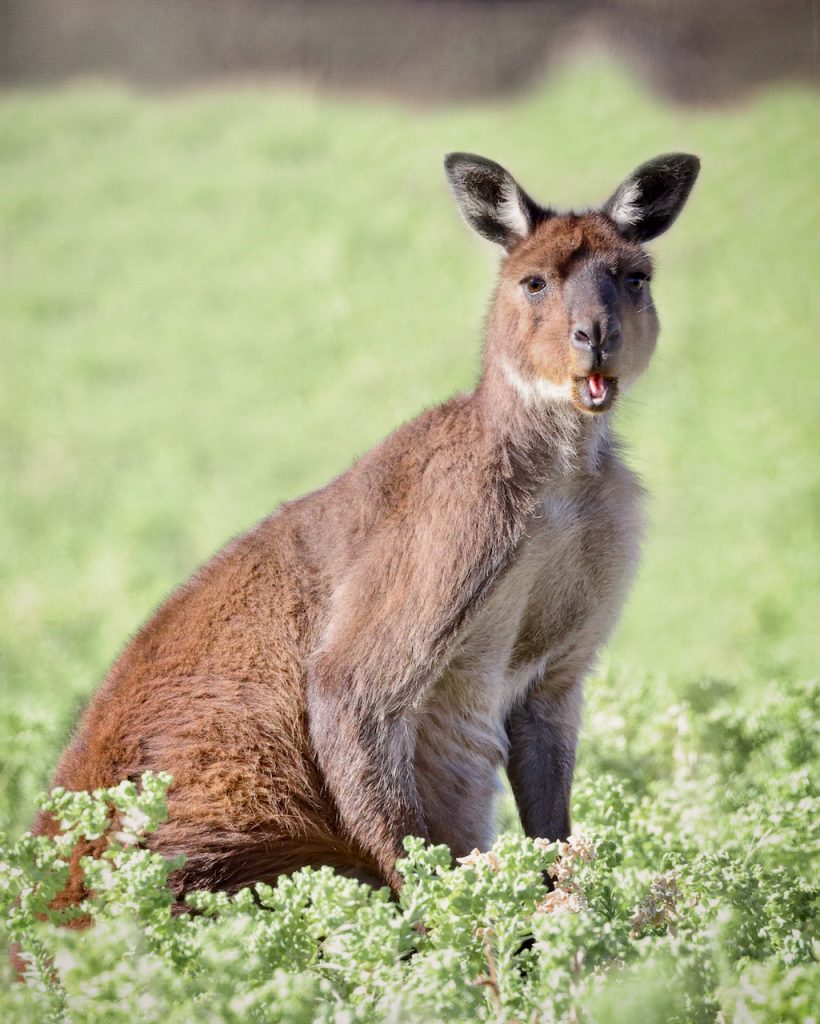
A quick edit of a black swan photo taken on Kangaroo Island (South Australia) where we spent a few weeks this December, part of our recent Australia trip. More to come, once I’ve been through all photos 😅.

In the meantime, I leave you with some interesting facts about them.


Interesting Facts About Black Swans

  • Black swans (Cygnus atratus) are native to Australia and represent a fascinating species within the Anatidae family. Below are several interesting facts about them
  • Unlike most swans, which are white, black swans possess predominantly black feathers with white flight feathers visible only during flight. Their bright red bills feature a pale tip, and they have the longest neck relative to body size among swan species, aiding in foraging in deep water.
  • They are indigenous to Australia, particularly abundant in the southeast and southwest regions, including wetlands and lakes. Following European colonization, they were introduced to New Zealand, Europe, and North America as ornamental birds in parks and estates, where feral populations have established in some areas.
  • Black swans form lifelong monogamous pairs, often remaining together year-round. Both parents share incubation duties and chick-rearing, with cygnets riding on their parents’ backs for protection— a behavior that enhances survival in open water environments.
  • They produce a variety of trumpet-like calls, including bugling sounds for territorial defense or mating. These vocalizations are more musical than those of mute swans and play a key role in social interactions within flocks.
  • Primarily herbivorous, black swans feed on aquatic vegetation, algae, and submerged plants by upending in shallow waters (similar to dabbling ducks). They can tolerate brackish and saline environments, allowing them to inhabit a broader range of wetlands than many freshwater-dependent waterfowl.

Symbolism in Metaphor and Philosophy

The term black swan” entered popular usage through Nassim Nicholas Taleb‘s book “The Black Swan” (2007), metaphorically describing rare, unpredictable events with profound impacts. Historically, Europeans assumed all swans were white until black swans were discovered in Australia in 1697 by Dutch explorer Willem de Vlamingh, challenging prevailing assumptions.


📸 The photo was taken with Canon R5 Mark II & Canon RF100-500mm F4.5-7.1 L IS USM.


Related Posts


Love my work? Support my journey by buying me a coffee or sharing it on your preferred social network. And don’t forget to swing by my online shop to check out my latest prints and gifts. Thank you 🙏 !

Follow me on Instagram | Facebook | Threads | LinkedIn | Tumblr | X | Buy Me A Coffee 


My 2025 Favorite Photos

  1. My 2022 Favorite Photos
  2. Favorite Photos: January 2023
  3. Favorite Photos: February 2023
  4. Favorite Photos: March 2023
  5. Favorite Photos: April 2023
  6. Favorite Photos: May 2023
  7. Favorite Photos: June 2023
  8. Favorite Photos: July 2023
  9. Favorite Photos: August 2023
  10. Paris Is Always A Good Idea
  11. Favorite Photos: October 2023
  12. Favorite Photos: November 2023
  13. Favorite Photos: December 2023
  14. My 2023 Favorite Photos
  15. Favorite Photos: January 2024
  16. Favorite Photos: February 2024
  17. Favorite Photos: March 2024
  18. Favorite Photos: April 2024
  19. Favorite Photos: May 2024
  20. Favorite Photos: June 2024
  21. Favorite Photos: July 2024
  22. Favorite Photos: August 2024
  23. Favorite Photos: September 2024
  24. Favorite Photos: October 2024
  25. Favorite Photos: November 2024
  26. My 2024 Favorite Photos
  27. Favorite Photos: December 2024
  28. Favorite Photos: January 2025
  29. Favorite Photos: February 2025
  30. Favorite Photos: March 2025
  31. Favorite Photos: April 2025
  32. Favorite Photos: May 2025
  33. Favorite Photos: June 2025
  34. Favorite Photos: July 2025
  35. Favorite Photos: August 2025
  36. Favorite Photos: September 2025
  37. Favorite Photos: October 2025
  38. Favorite Photos: November 2025
  39. My 2025 Favorite Photos
  40. Favorite Photos: December 2025
  41. Favorite Photos: January 2026
  42. Favorite Photos: February 2026
  43. Favorite Photos: March 2026
  44. Favorite Photos: April 2026
  45. Favorite Photos: May 2026

As 2025 draws to a close, it’s only natural to pause, pour a cup of something warm, and reflect on the whirlwind of the past year. Let’s dive in together, shall we? 

This photo showcases two cheetah brothers (Acinonyx jubatus) in a misty morning setting. The sleek felines, with their spotted coats faintly visible through the fog, stand side by side on a grassy plain, their slender bodies poised with alertness. The soft, diffused light of pre-dawn casts a gentle glow on their faces, highlighting their intense eyes and tear-marked cheeks. The background fades into a hazy blend of grey and green, with the mist creating an ethereal, mysterious atmosphere around the pair.

Two cheetah brothers (Acinonyx jubatus), photographed early in the morning, before the sun was up, and the morning mist still hung in the air, creating an eerie atmosphere.

The brothers were out patrolling their territory and stood still for a few minutes, checking their surroundings.

*

🐈 Cheetah (Acinonyx jubatus)

📸 Canon R5M2 & Canon RF100-500mm F4.5-7.1 L IS USM

 📍Lapalala Wilderness Reserve, South Africa

The photo shows a Four-spotted Chaser (Libellula quadrimaculata), a dragonfly perched on a slender stem against a soft blue sky. Its wings are transparent with intricate vein patterns, and it has a striking body with a mix of orange and brown hues, accented by dark spots near the base of its wings, characteristic of the species.

Four-spotted Chaser, a dragonfly so called because of the four dark spots on its wings, two on each forewing.

I photographed it at a lake near our house, an excellent spot for finding butterflies and dragonflies this time of year. I find myself returning to it in every season, as there is always something to photograph: squirrels, foxes, jays, woodpeckers, birds of prey, small birds, insects, and flowers. 

*

Four-spotted Chaser (Libellula quadrimaculata)

📸 Canon R5M2 & Canon RF100-500mm F4.5-7.1 L IS USM

 📍Trolldalen, Lidingö, Sweden

A mating pair of Ruddy darters (Sympetrum sanguineum) in a serene, symmetrical composition above calm water. The male, with its vibrant red abdomen and translucent wings, clasps the female in the characteristic "wheel" position, their bodies aligned vertically against a soft blue sky. The reflection below mirrors them perfectly, creating an illusion of infinite extension and adding a poetic balance to the scene. Tiny dew-like sparkles glisten on their wings, caught by the gentle morning light, while the minimalistic background emphasizes their delicate forms and the intimate beauty of this natural moment.

A pair of mating ruddy darters that I photographed at the small lake near our house, the same spot where I had photographed the four-spotted chaser. This dragonfly is a common species in Sweden, especially in the southern part of the country.

This was the first time I photographed dragonflies in flight. Dragonflies in flight are difficult to capture due to their speed and unpredictable movement. But hey, the more difficult the tasks, the more rewarding the results! I’m very pleased with this photo, even though I had to take several hundred photos to get the one I wanted.

*

Ruddy darters (Sympetrum sanguineum)

📸 Canon R5M2 & Canon RF100-500mm F4.5-7.1 L IS USM

 📍Trolldalen, Lidingö, Sweden

This photo shows a common blue butterfly male (Polyommatus icarus) perched delicately on an Echinacea purpurea var. Magnus flower in a garden. The butterfly, with its vibrant orange and black wings spread slightly, contrasts beautifully against the flower’s large, daisy-like pink-purple petals and prominent coppery-orange center. The morning light filters through the mist, casting a soft glow on the butterfly’s intricate wing patterns and the flower’s velvety texture. The background is a gentle blur of green foliage and other blooms, enhancing the serene and delicate beauty of this early autumn garden moment.

A male common blue butterfly (Polyommatus icarus) perched on an Echinacea purpurea ‘Magnus’ flower in our garden. This is what I love about our house: a wildlife garden filled with insects, butterflies, small and not-so-small animals (deer love my flowers, too!), and numerous birds! I need only to step out to find something to photograph!

*

🦋 Male common blue butterfly (Polyommatus icarus)

📸 Canon R5 & Canon RF100-500mm F4.5-7.1 L IS USM

📍Lidingö, Sweden

Australasian grebe (Tachybaptus novaehollandiae)

An Australasian grebe calling for its young on a foggy morning on Kangaroo Island. It was 6:30 am, and the sun was not up yet. On my way to another location, I spotted this grebe family serenely floating on a small pond, shrouded in the waves of fog.

I stopped for a few minutes to take several photos, and this one became one of my absolute favorites from that trip.

*

🦆 Australasian grebe (Tachybaptus novaehollandiae)

📸 Canon R5M2 & Canon RF100-500mm F4.5-7.1 L IS USM

📍Kangaroo Island, South Australia

Lion (Panthera leo)


This is a new edit of a lion portrait I worked on a few months ago. While I was initially pleased with the first version, the idea of making a more dramatic edit kept coming to mind—I just couldn’t let it go! So, I decided to re-process the image, and I’m really happy with the final result.

*

🦁 Lion (Panthera leo)

📸 Canon R5 & Canon RF100-500mm F4.5-7.1 L IS USM

 📍Lapalala Wilderness Reserve, South Africa

This photo depicts a young lioness in the midst of a hunt on a sunlit savanna. Her lean, muscular frame is poised low to the ground, with her coat blending into the dry grass as she stalks prey. Her eyes are intensely focused, ears slightly back, and her mouth is open, revealing sharp teeth.

A young lioness on the prowl, stalking a giraffe under the midday sun. The hunt is on.

High-key edits aren’t usually my style, but this scene demanded it. Harsh light, a bright background, and the lioness in the shade called for a bold, high-key approach to capture the moment’s intensity.

*

🦁 Lion (Panthera leo)

📸 Canon R5M2 & Canon RF100-500mm F4.5-7.1 L IS USM

 📍Lapalala Wilderness Reserve, South Africa

This photo features a Chacma baboon (Papio ursinus) perched on a rocky outcrop in a rugged landscape. The baboon, with its greyish-brown fur and distinctive dog-like face, sits upright, its sharp eyes scanning the surroundings. Its pinkish face and expressive features are highlighted by the soft morning light, while a tuft of hair crowns its head. The background reveals a blurred expanse of dry grasslands and distant hills under a clear sky, capturing the baboon’s alert and commanding presence in the wild.

Chacma baboon, also known as a Cape baboon, photographed at the Marataba Mountain Lodge. The baboon’s position inspired a low-key processing approach, and I love the result..

*

🐒 Chacma baboon (Papio ursinus)

📸 Canon R5M2 & Canon RF100-500mm F4.5-7.1 L IS USM

📍Marataba Game Reserve, South Africa

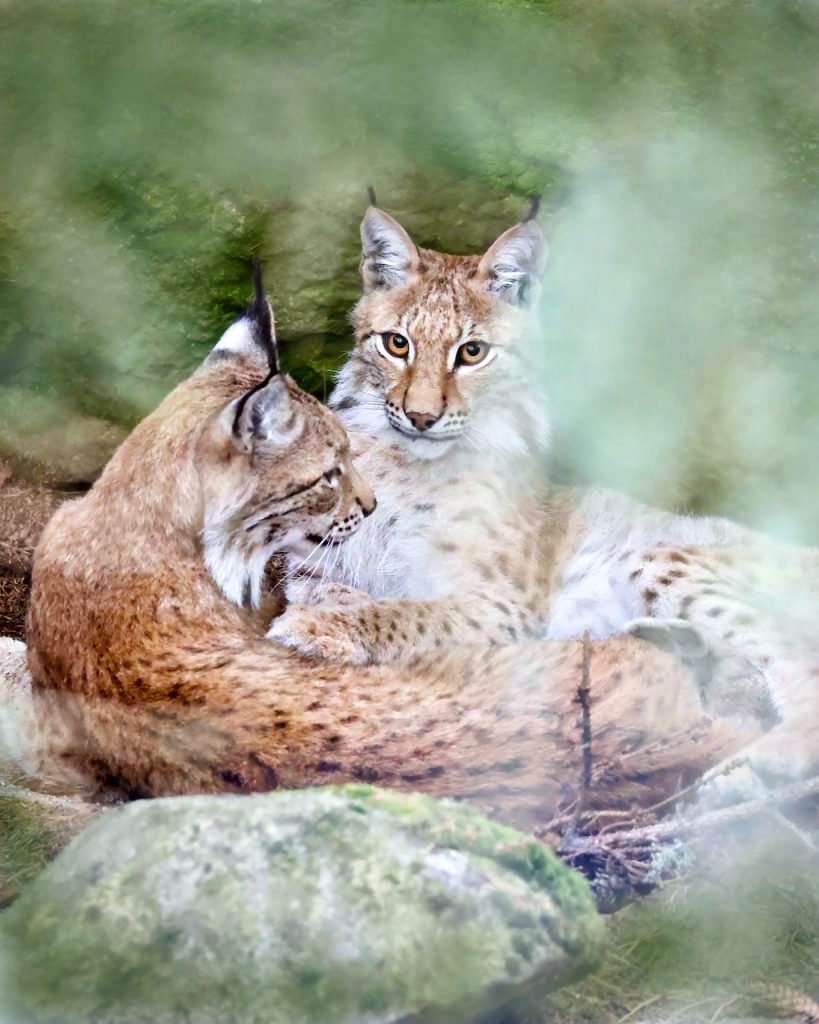
This photo features a lynx standing alert in a misty forest clearing. The lynx’s thick, tawny fur, speckled with dark spots, glows softly under the overcast morning light, its tufted ears perked. Its piercing amber eyes gaze intently ahead, framed by a subtle facial ruff.  The background is a gentle blur of pine trees and green foliage, the mist lending an ethereal quality that enhances the wild, majestic presence of this elusive feline in its natural habitat.

A young Lynx male from our trip to Northern Sweden. Isn’t he gorgeous?

*

🐈 European Lynx (Lynx lynx)

📸 Canon R5M2 & Canon RF100-500mm F4.5-7.1 L IS USM

📍Järvsö, Sweden

This photo features a cheetah (Acinonyx jubatus) poised gracefully on a sunlit savanna. The cheetah’s sleek, tawny coat, adorned with its signature black tear marks and spots, shimmers under the morning light, highlighting the powerful muscles beneath its lithe frame. Its amber eyes are focused intently ahead, ears perked. The background is a warm blur of acacia trees and distant plains.

This photo of a male cheetah on patrol didn’t get much attention online, but I love it for the memories it brings back. The image itself is unremarkable, but that morning was unforgettable: golden light poured over the savanna, the sky was blue, and distant bird calls filled the air. We spent over an hour following three cheetah brothers on foot, which was no small task since cheetahs move so quickly!

*

🐈 Cheetah (Acinonyx jubatus)

📸 Canon R5M2 & Canon RF100-500mm F4.5-7.1 L IS USM

 📍Lapalala Wilderness Reserve, South Africa

The image captures an autumnal scene featuring a red squirrel (Sciurus vulgaris) perched among several pumpkins. One of the pumpkins has been carved into a traditional jack-o'-lantern with a triangular-eyed, smiling face. The ground and surrounding area are covered in fallen autumn leaves in various shades of yellow and orange. There are also leaves in the background that appear to be falling or floating, which contributes to the overall autumn atmosphere. The lighting gives the scene a warm, golden glow, enhancing the seasonal feel of the image.

This year’s Halloween card, I love it!

*

🐿 Red Squirrel (Sciurus vulgaris)

📸 Canon R5 & Canon RF100-500mm F4.5-7.1 L IS USM

📍Lidingö, Sweden

A striking portrait of a female Eurasian Lynx (Lynx lynx), captured in a snowy environment. The lynx's face is prominently featured, showcasing its thick, spotted fur in shades of brown and gray, with tufted ears and piercing yellow eyes that exude a wild intensity. Light snowflakes are falling around it, adding to the wintry atmosphere, while the soft, blurred white background enhances the focus on the lynx's detailed facial features and expression.

Another lynx photo, this time from our February trip to Northern Sweden.

*

🐈 European Lynx (Lynx lynx)

📸 Canon R5M2 & Canon RF100-500mm F4.5-7.1 L IS USM

📍Järvsö, Sweden

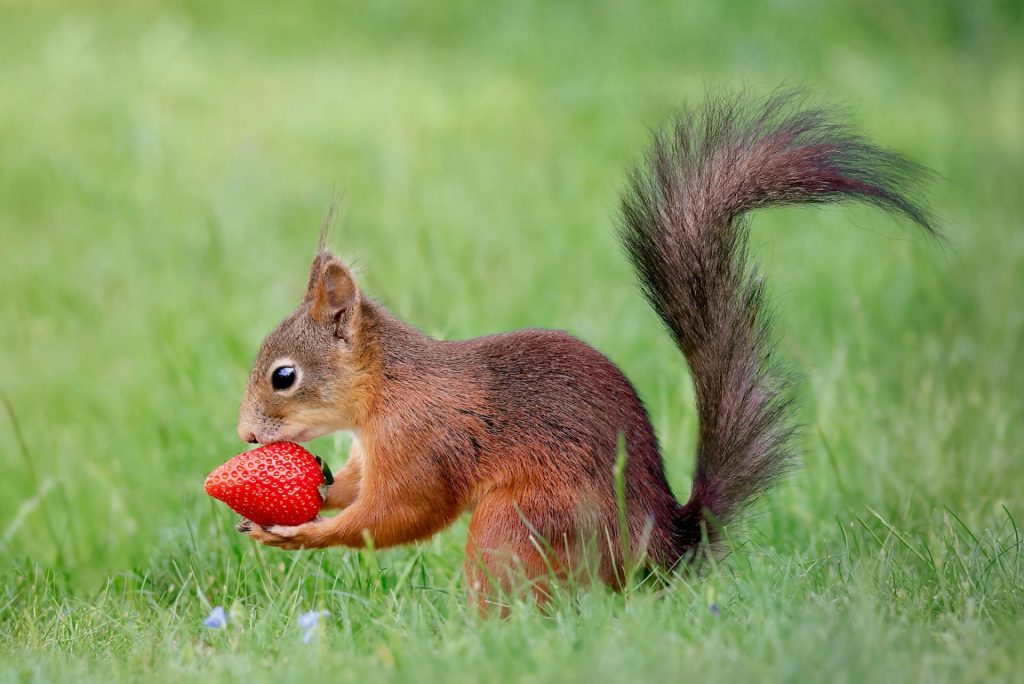
A red squirrel with a silver party hat on and holding a champagne glass in its paw

I hope you enjoyed looking at the photos. Here’s to more, better images to come in 2026! Cheers!

I wish you a very, very Happy New Year! Gott Nytt År as we say in Swedish.


Click here to see all my favorite photos during the years.


Love my work? Support my journey by buying me a coffee or sharing it on your preferred social network. And don’t forget to swing by my online shop to check out my latest prints and gifts. Thank you 🙏 !

Follow me on Instagram | Facebook | Threads | LinkedIn | Tumblr | X | Buy Me A Coffee 


International Cheetah Day: Racing Against Extinction

This photo showcases two cheetah brothers (Acinonyx jubatus))  in a misty morning setting. The sleek felines, with their spotted coats faintly visible through the fog, stand side by side on a grassy plain, their slender bodies poised with alertness. The soft, diffused light of pre-dawn casts a gentle glow on their faces, highlighting their intense eyes and tear-marked cheeks. The background fades into a hazy blend of grey and green, with the mist creating an ethereal, mysterious atmosphere around the pair. _ The lighting technique in this photo of two cheetah brothers appears to utilize natural, ambient light during a foggy pre-sunrise period.

Every year on December 4th, people around the world celebrate International Cheetah Day to raise awareness about protecting cheetahs, the fastest animals on land. Today, these incredible cats are fighting to survive. Dr. Laurie Marker, founder of the Cheetah Conservation Fund (CCF), started this day in memory of Khayam, a cheetah cub she hand-raised who was born on December 4th. In the late 1980s, Dr. Marker brought Khayam from Oregon’s Wildlife Safari to Namibia and taught him how to hunt. While there, she saw that farmers often killed cheetahs to protect their livestock. This experience inspired her to create CCF in 1990 and launch the first Cheetah Day in 2010. Dr. Marker’s personal journey became a worldwide mission to save these amazing animals.

This photo features a cheetah (Acinonyx jubatus) poised gracefully on a sunlit savanna. The cheetah’s sleek, tawny coat, adorned with its signature black tear marks and spots, shimmers under the morning light, highlighting the powerful muscles beneath its lithe frame. Its amber eyes are focused intently ahead, ears perked. The background is a warm blur of acacia trees and distant plains.

Today, fewer than 7,500 cheetahs remain in the wild. Over the last hundred years, their numbers have dropped by 90% because of habitat loss, poaching, and conflicts with people. Cheetahs are now listed as “Vulnerable” and are close to extinction. These cats have some incredible abilities. They can sprint up to 70 mph (110 kph) in just three seconds, covering 6 to 7 meters in a single stride. Their long tails help them turn quickly, and the dark marks under their eyes cut down on glare when they hunt. Cheetah cubs have a fluffy coat that makes them look like honey badgers, which helps them stay hidden. Even so, most cubs do not survive their first year, with up to 90% lost to predators like lions and hyenas. Female cheetahs raise their cubs alone and hunt small antelopes such as springboks. But with their habitats broken up and low genetic diversity, it is very hard for cheetah populations to recover.

Two cheetah brothers

There are many ways to join in and support cheetahs. You can explore free resources from the Cheetah Conservation Fund, like the Conservation Passport for fun facts and service projects, or K-12 activity guides that combine STEAM learning with real stories about cheetahs. You can also watch Brian Badger’s talk about the challenges and successes cheetahs face. Join the #SaveTheCheetah campaign on social media, share downloadable graphics, or organize your own event. You might create a classroom poster of Freeda the Cheetah or make your backyard more welcoming to wildlife. Every small effort makes a difference. 

As Dr. Marker says, cheetahs are more than just fast; they stand for resilience. Let’s work together to help them survive. Visit internationalcheetahday.com to learn more and help cheetahs reach a safer future.


🐆Cheetah (Acinonyx jubatus)

📸 Canon R5M2 & Canon RF100-500mm F4.5-7.1 L IS USM

 📍Lapalala Wilderness Reserve, South Africa


Love my work? Support my journey by buying me a coffee or sharing it on your preferred social network. And don’t forget to swing by my online shop to check out my latest prints and gifts. Thank you 🙏 !

Follow me on Instagram | Facebook | Threads | LinkedIn | Tumblr | X | Buy Me A Coffee 


Favorite Photos: November 2025

  1. My 2022 Favorite Photos
  2. Favorite Photos: January 2023
  3. Favorite Photos: February 2023
  4. Favorite Photos: March 2023
  5. Favorite Photos: April 2023
  6. Favorite Photos: May 2023
  7. Favorite Photos: June 2023
  8. Favorite Photos: July 2023
  9. Favorite Photos: August 2023
  10. Paris Is Always A Good Idea
  11. Favorite Photos: October 2023
  12. Favorite Photos: November 2023
  13. Favorite Photos: December 2023
  14. My 2023 Favorite Photos
  15. Favorite Photos: January 2024
  16. Favorite Photos: February 2024
  17. Favorite Photos: March 2024
  18. Favorite Photos: April 2024
  19. Favorite Photos: May 2024
  20. Favorite Photos: June 2024
  21. Favorite Photos: July 2024
  22. Favorite Photos: August 2024
  23. Favorite Photos: September 2024
  24. Favorite Photos: October 2024
  25. Favorite Photos: November 2024
  26. My 2024 Favorite Photos
  27. Favorite Photos: December 2024
  28. Favorite Photos: January 2025
  29. Favorite Photos: February 2025
  30. Favorite Photos: March 2025
  31. Favorite Photos: April 2025
  32. Favorite Photos: May 2025
  33. Favorite Photos: June 2025
  34. Favorite Photos: July 2025
  35. Favorite Photos: August 2025
  36. Favorite Photos: September 2025
  37. Favorite Photos: October 2025
  38. Favorite Photos: November 2025
  39. My 2025 Favorite Photos
  40. Favorite Photos: December 2025
  41. Favorite Photos: January 2026
  42. Favorite Photos: February 2026
  43. Favorite Photos: March 2026
  44. Favorite Photos: April 2026
  45. Favorite Photos: May 2026
This photo freezes two feisty kangaroos in a classic boxing match, their paws locked in a cheeky spar as they balance on powerful tails against a sun-kissed, dusty arena. The golden-hour light bathes their tawny fur in a warm glow, highlighting every whisker and muscle ripple, while the blurred backdrop of eucalyptus and grass melts into a dreamy bokeh, keeping all eyes on the action.

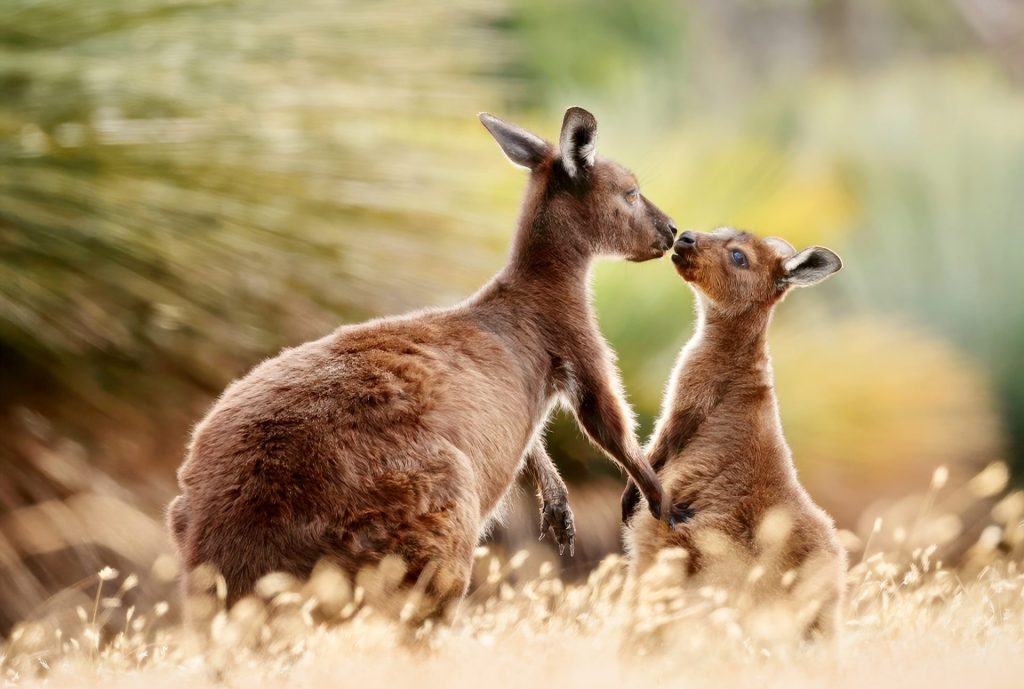
Voulez-vous danser? Two young Kangaroo Island kangaroos (Macropus fuliginosus fuliginosus) sparring at sunset. As soon as I saw this photo, I knew what the caption would be. They were learning to fight, but, for a moment, they seemed to dance.  A wonderful moment, frozen in time, that I will always cherish.

I photographed them on Kangaroo Island (South Australia), on one of our many trips there. I still have so many photos to process from those trips. An another trip is planned 🤭 more to come soon.

Kangaroo Island kangaroo (Macropus fuliginosus fuliginosus) is a sub-species of the Western Grey Kangaroo (Macropus fuliginosus). They look slightly different from their cousins on mainland Australia; they’re shorter with darker, chocolate-brown fur. And way cuter, if you ask me.


This image features a charming red squirrel baby nestled amongst soft green foliage, creating a serene and natural scene.The central focus is a small red squirrel, distinguished by its vibrant, reddish-orange fur that covers most of its body. Its fur appears incredibly soft and fluffy, especially noticeable on its back and its prominent, bushy tail. The tail, which is a rich red-orange, curves upwards and slightly over its back, adding to its characteristic silhouette.The squirrel's head is delicate, with small, pointed ears that blend into its reddish fur. Its most striking feature is its large, round, and very dark eyes, which are almost black, providing a stark contrast to its lighter face. A tiny, bright catchlight is visible in each eye, giving them a lively and alert appearance. Fine, dark whiskers extend from its snout. Its nose is small and dark, and its mouth is slightly open, revealing a glimpse of its tongue or pinkish inner mouth. Its underside, particularly around its chest and chin, appears to have lighter, almost cream-colored fur, creating a subtle gradient.
The image features a red squirrel (Sciurus vulgaris) perched atop a moss-covered log. The squirrel is facing to the right, with a curious and alert expression. The background is a soft, blurred green, which helps to isolate and highlight the squirrel as the main subject.
This image is a beautifully captured, striking close-up portrait of a red squirrel (Sciurus vulgaris), focusing intently on its face and upper body. The central and dominant subject is a red squirrel, identifiable by its reddish-brown fur and prominent ear tufts. It is positioned directly facing the viewer, creating a highly engaging and intimate connection. The squirrel is alert and appears to be in a curious or observant state. Its body is slightly hunched forward, and its front paws are visible, gripping onto the green foliage beneath it. Its gaze is direct and piercing, with bright, dark eyes that reflect a hint of light, suggesting good illumination.
This photo features a red squirrel (Sciurus vulgaris) delicately licking its paw in a sunlit forest clearing. The squirrel’s rich reddish-brown fur shimmers as the morning light filters through the pine trees, highlighting the glossy texture of its coat and the tiny droplets of dew clinging to its bushy tail. Its bright black eyes are focused on its paw, which it holds up with precision, its small tongue visible as it grooms itself. The background is a soft blur of green moss and fern-covered ground, with the gentle mist adding a dreamy quality that frames this charming moment of woodland self-care.

Red squirrels (Sciurus vulgaris) photographed in my garden or in the woods near our house. I can’t get enough of squirrels!

November in Sweden is so dark that I barely took any photos. Besides the lack of daylight, I also spent much of the month preparing the garden for winter. I was also busy planning my upcoming trip to Australia. Getting ready for several weeks in Australia takes a lot of effort, and organizing everything from Sweden isn’t easy.


📸 Photos were taken with Canon R5, Canon R5 Mark II & Canon RF100-500mm F4.5-7.1 L IS USM.


Related Posts


Love my work? Support my journey by buying me a coffee or sharing it on your preferred social network. And don’t forget to swing by my online shop to check out my latest prints and gifts. Thank you 🙏 !

Follow me on Instagram | Facebook | Threads | LinkedIn | Tumblr | X | Buy Me A Coffee 


Favorite Photos: October 2025

  1. My 2022 Favorite Photos
  2. Favorite Photos: January 2023
  3. Favorite Photos: February 2023
  4. Favorite Photos: March 2023
  5. Favorite Photos: April 2023
  6. Favorite Photos: May 2023
  7. Favorite Photos: June 2023
  8. Favorite Photos: July 2023
  9. Favorite Photos: August 2023
  10. Paris Is Always A Good Idea
  11. Favorite Photos: October 2023
  12. Favorite Photos: November 2023
  13. Favorite Photos: December 2023
  14. My 2023 Favorite Photos
  15. Favorite Photos: January 2024
  16. Favorite Photos: February 2024
  17. Favorite Photos: March 2024
  18. Favorite Photos: April 2024
  19. Favorite Photos: May 2024
  20. Favorite Photos: June 2024
  21. Favorite Photos: July 2024
  22. Favorite Photos: August 2024
  23. Favorite Photos: September 2024
  24. Favorite Photos: October 2024
  25. Favorite Photos: November 2024
  26. My 2024 Favorite Photos
  27. Favorite Photos: December 2024
  28. Favorite Photos: January 2025
  29. Favorite Photos: February 2025
  30. Favorite Photos: March 2025
  31. Favorite Photos: April 2025
  32. Favorite Photos: May 2025
  33. Favorite Photos: June 2025
  34. Favorite Photos: July 2025
  35. Favorite Photos: August 2025
  36. Favorite Photos: September 2025
  37. Favorite Photos: October 2025
  38. Favorite Photos: November 2025
  39. My 2025 Favorite Photos
  40. Favorite Photos: December 2025
  41. Favorite Photos: January 2026
  42. Favorite Photos: February 2026
  43. Favorite Photos: March 2026
  44. Favorite Photos: April 2026
  45. Favorite Photos: May 2026
This macro photo showcases a close-up of grass blades adorned with glistening water drops in the morning sun. The delicate green blades, tipped with tiny, crystal-clear droplets, sparkle with a rainbow-like sheen as the early light refracts through them, highlighting their fine texture and subtle veins. Each drop magnifies the grass beneath, creating miniature worlds of refracted color, while the sunlight casts soft shadows that add depth. The background is a creamy blur of out-of-focus greenery, the gentle mist enhancing the ethereal glow and drawing attention to the intricate beauty of this dewy, sun-kissed scene.

I took this macro photo of grass blades covered in sparkling water drops in the morning sun at the small lake near our house. This is the same place where I had photographed the four-spotted chaser and the ruddy darters before.

In fact, I was waiting for the dragonflies to start flying since they weren’t out yet when I arrived at the lake, and amused myself by taking a few macro shots (always optimizing my time, he, he!).


This photo features a red squirrel (Sciurus vulgaris) standing proudly on a tree stump in a forest clearing. The squirrel’s rich reddish-brown fur glows under the midday sunlight filtering through the pine canopy, its bushy tail held high as it balances on the yree stump. Its bright black eyes sparkle with curiosity, and its whiskers catch the light, adding a delicate detail to its poised stance. The background is a soft blur of green ferns and shadowy tree trunks, with a hint of mist lending a serene, magical ambiance to this charming woodland scene.

The little acrobat 😍 a red squirrel (Sciurus vulgaris) balancing elegantely on a tree stump. As colder weather sets in and days grow shorter, squirrels are returning to our garden to seek nuts and seeds from the bird feeders.

The image captures an autumnal scene featuring a red squirrel (Sciurus vulgaris) perched among several pumpkins. One of the pumpkins has been carved into a traditional jack-o'-lantern with a triangular-eyed, smiling face. The ground and surrounding area are covered in fallen autumn leaves in various shades of yellow and orange. There are also leaves in the background that appear to be falling or floating, which contributes to the overall autumn atmosphere. The lighting gives the scene a warm, golden glow, enhancing the seasonal feel of the image.
This photo features a red squirrel (Sciurus vulgaris) curiously interacting with a striped orange pumpkin in a grassy clearing. The squirrel, with its vibrant reddish-brown fur and bushy tail held high, stands on its hind legs, extending a tiny paw toward the pumpkin as if inspecting or claiming it, its bright black eyes wide with intrigue. The pumpkin's textured, tiger-striped skin contrasts with the squirrel's fluffy coat, and the soft morning light casts a gentle glow, highlighting the dew on the grass. The background is a dreamy blur of green and orange foliage, adding a whimsical, autumnal charm to this enchanting woodland encounter.

Even the squirrels were preparing for Halloween 😉!

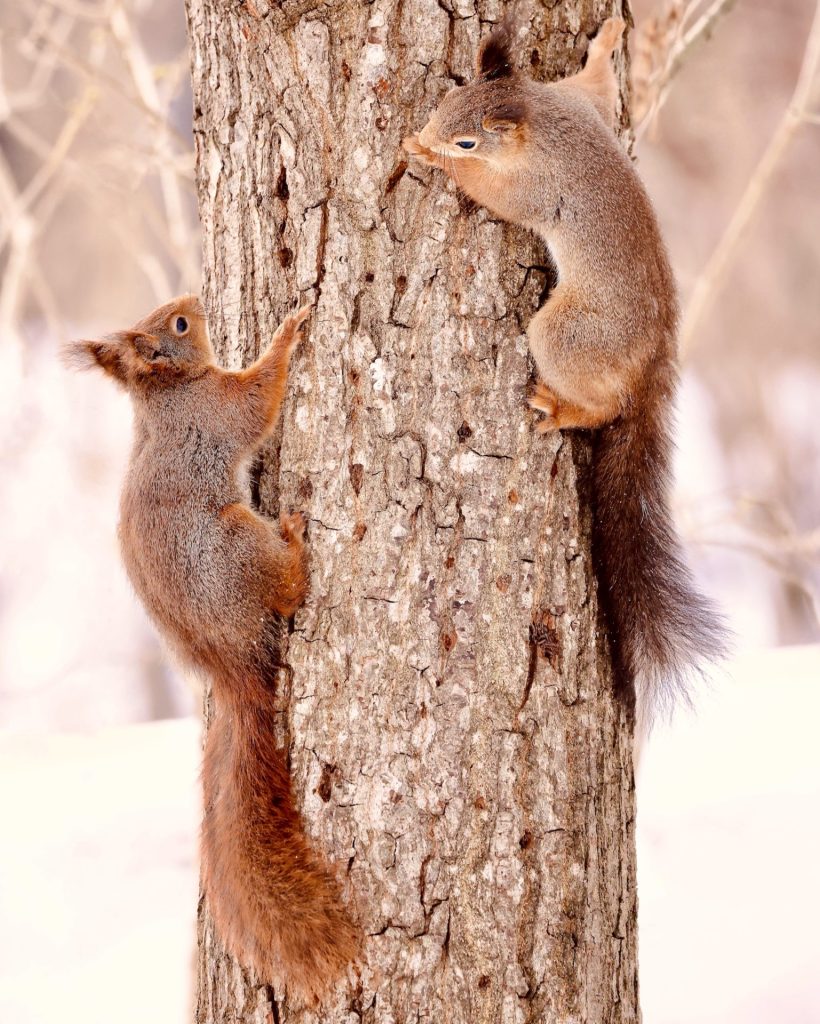
The image captures a red squirrel (Sciurus vulgaris) clinging to the side of a tree. The squirrel, with its reddish-brown fur and bushy tail, is positioned on the right side of the tree trunk, climbing the tree with a mushroom in its mouth. The tree trunk is rugged and covered in lichen, adding texture to the composition. The background is a soft, blurred green, hinting at foliage and a forest setting. The lighting is soft and diffused, highlighting the squirrel's fur and the details of the tree bark.

Another squirrel, photographed during our trip in Northern Sweden, on the same day I photographed the lynx. It had found a mushroom and was running up the tree with its prize.


📸 All photos were taken with Canon R5 Mark II & Canon RF100-500mm F4.5-7.1 L IS USM.


Related Posts


Love my work? Support my journey by buying me a coffee or sharing it on your preferred social network. And don’t forget to swing by my online shop to check out my latest prints and gifts. Thank you 🙏 !

Follow me on Instagram | Facebook | Threads | LinkedIn | Tumblr | X | Buy Me A Coffee 


How to Help Wildlife in Your Garden During Winter

Red Squirrel on a Pumpkin

As the days get shorter and colder, many animals looking for a warm place to spend the winter. I love helping them survive the cold season with a few simple steps. 

  • I always leave the leaves. A pile of leaves in my yard has become a favorite winter habitat for hedgehogs, insects, and more. For instance, queens of bumblebee species often burrow into this layer, emerging in spring to restart their colonies. Frogs, beetles, and even certain butterfly species also benefit from these leaf piles, finding shelter to survive colder months. This makes leaf piles essential not only for shelter but also for the continuation of local ecosystems.

  • I also like making shelters for wildlife. Sometimes I build hedgehog houses or insect hotels, or I just leave a wild corner in the garden. These spots really help small creatures find safety during the cold months. Here’s a simple way to make a basic hedgehog house: take a wooden box or crate, cut a small hole for an entrance, and place it in a quiet corner of your garden. Cover it with leaves or soil for added insulation and to blend it with the surroundings. For an insect hotel, bundle together hollow stems or tubes and stack them in a wooden frame, making sure to include a variety of sizes to accommodate different insects. By providing these simple shelters, you can support the local wildlife even in colder months.
Small tortoiseshell butterfly on aster
  • I also like to keep flowering plants in my garden. Incorporating hardy native plants, such as goldenrods and asters, provides late-season support for local wildlife. These resilient species not only bring color through autumn frosts but also sustain insects and butterfly caterpillars with food and shelter as it gets colder. To help you choose the best options for their local wildlife and climate, I recommend looking into native plant species specific to your region. By choosing plants native to the area, my garden thrives and contributes to a biodiversity-friendly landscape.
A red squirrel with a hazelnut in its mouth peeking out of a bird house
Not only birds at the bird feeder 😊
  • Every autumn, I make sure to put out food for the birds in my garden. I find that fat-rich foods and grains are especially helpful for the birds that visit my garden during the cold months. To minimize predator risk, I top up the feeders at dawn and place them near dense shrubs, allowing birds (and squirrels 😍) to quickly dart to safety.
Close-uo photo of a red squirrel drinking water
  • I never forget about water, either. Animals near me need fresh water during autumn and winter, so I always keep an easily accessible water source for them when ponds and streams freeze. To prevent the water from freezing, consider using a heated birdbath or placing a floating object, such as a small ball, in the water. This will keep the surface moving and help prevent it from freezing over. By implementing these strategies, you can ensure the animals have access to water throughout the winter.

With a few small gestures in my own backyard, I’ve seen how much of a difference it can make. My garden has become my retreat, and I love knowing it’s also a haven for many animals.

Red squirrel ointment the rain

What about you? This fall, I’m working on making my yard a safe haven for animals as usually, and I’d love to hear your ideas on how you contribute to this cause. What winter bird calls or rustling leaf shelters have you noticed lately in your own garden or neighborhood? How do these sensory experiences inspire your efforts to help animals this season? Please share in the comments and inspire others.


Related Posts


Love my work? Support my journey by buying me a coffee or sharing it on your preferred social network. And don’t forget to swing by my online shop to check out my latest prints and gifts. Thank you 🙏 !
Follow me on Instagram | Facebook | Threads | LinkedIn | Tumblr | X | Buy Me A Coffee 


World Kangaroo Day: Hopping Towards Harmony

Kangaroo Island Joey

World Kangaroo Day takes place every year on October 24. It was created in 2020 by Kangaroos Alive and the Animal Justice Party after the 2019-2020 bushfires, which harmed billions of native animals, including many kangaroos. The day asks us to protect kangaroos and treat them with care, as they face threats such as habitat loss, hunting, and expanding cities. In 2021, Yuin Elder Uncle Max Dulumunmun Harrison supported the day with the Yuin Declaration for Kangaroos, which honors kangaroos as sacred and encourages us to live in harmony with the land and each other.

KI Kangaroos

Worldwide Kangaroo Day shines a light on the special story of kangaroos. They evolved from small, possum-like animals about 20-30 million years ago and learned to hop to cross dry landscapes. Kangaroos can leap up to 9 meters and run as fast as 60 km/h in short bursts. There are over 50 species, from the big red kangaroo to the tiny musky-rat kangaroo. Kangaroos are more than just symbols of Australia—they help the environment by grazing and spreading seeds. Even though there are more than 50 million kangaroos in Australia (estimated), as many as 1.5 million are killed each year for meat and hides, often in ways that are not humane. This is why change is so important.

This year, the theme for October 24 is “Magic with Kangaroos.” Everyone is invited to join in by hosting workshops, going on nature walks, or starting social media campaigns using #WorldKangarooDay to share facts, photos, and videos. You can also enter the Roo Doco Competition by making a short documentary for a chance to win prizes, or support the Yuin Declaration to help protect kangaroos. Whether you watch kangaroos in the wild or celebrate at home, the aim is to appreciate these social and curious animals. Kangaroos play together, groom each other, and joeys peek out from their mothers’ pouches, showing how special they are.

What inspires your connection to kangaroos this season? Share your thoughts and help build a world where these amazing animals can thrive. Visit worldkangarooday.org for resources and events.


📸 Canon R5 & Canon RF100-500mm F4.5-7.1 L IS USM

📍Kangaroo Island, South Australia

🦘Kangaroo Island Kangaroo Joey (Macropus fuliginosus fuliginosus)


Love my work? Support my journey by buying me a coffee or sharing it on your preferred social network. And don’t forget to swing by my online shop to check out my latest prints and gifts. Thank you 🙏 !

Follow me on Instagram | Facebook | Threads | LinkedIn | Tumblr | X | Buy Me A Coffee 


Favorite Photos: September 2025

  1. My 2022 Favorite Photos
  2. Favorite Photos: January 2023
  3. Favorite Photos: February 2023
  4. Favorite Photos: March 2023
  5. Favorite Photos: April 2023
  6. Favorite Photos: May 2023
  7. Favorite Photos: June 2023
  8. Favorite Photos: July 2023
  9. Favorite Photos: August 2023
  10. Paris Is Always A Good Idea
  11. Favorite Photos: October 2023
  12. Favorite Photos: November 2023
  13. Favorite Photos: December 2023
  14. My 2023 Favorite Photos
  15. Favorite Photos: January 2024
  16. Favorite Photos: February 2024
  17. Favorite Photos: March 2024
  18. Favorite Photos: April 2024
  19. Favorite Photos: May 2024
  20. Favorite Photos: June 2024
  21. Favorite Photos: July 2024
  22. Favorite Photos: August 2024
  23. Favorite Photos: September 2024
  24. Favorite Photos: October 2024
  25. Favorite Photos: November 2024
  26. My 2024 Favorite Photos
  27. Favorite Photos: December 2024
  28. Favorite Photos: January 2025
  29. Favorite Photos: February 2025
  30. Favorite Photos: March 2025
  31. Favorite Photos: April 2025
  32. Favorite Photos: May 2025
  33. Favorite Photos: June 2025
  34. Favorite Photos: July 2025
  35. Favorite Photos: August 2025
  36. Favorite Photos: September 2025
  37. Favorite Photos: October 2025
  38. Favorite Photos: November 2025
  39. My 2025 Favorite Photos
  40. Favorite Photos: December 2025
  41. Favorite Photos: January 2026
  42. Favorite Photos: February 2026
  43. Favorite Photos: March 2026
  44. Favorite Photos: April 2026
  45. Favorite Photos: May 2026
The photo features a mating pair of Ruddy darters (Sympetrum sanguineum) in a serene, symmetrical composition above calm water. The male, with its vibrant red abdomen and translucent wings, clasps the female in the characteristic "wheel" position, their bodies aligned vertically against a soft blue sky. The reflection below mirrors them perfectly, creating an illusion of infinite extension and adding a poetic balance to the scene. Tiny dew-like sparkles glisten on their wings, caught by the gentle morning light, while the minimalistic background emphasizes their delicate forms and the intimate beauty of this natural moment.

A pair of mating ruddy darters (Sympetrum sanguineum) that I photographed at the small lake near our house, the same spot where I had photographed the four-spotted chaser last month.

These darters are small dragonflies native to Europe and parts of Asia, renowned for the males’ striking red abdomen that intensifies with age, making them a vivid sight in late summer. This dragonfly is a common species in Sweden, especially in the southern part of the country.

Trying to photograph dragonflies in flight for the first time was challenging but rewarding. The thrill came from capturing those few “perfect” moments, making the effort worthwhile. 

Dragonflies in flight are difficult to capture due to their speed and unpredictable movement. I discovered that holding down the shutter once in focus increases your chances of sharp, well-composed shots, even if it means taking hundreds of photos to get a few great ones.

Use the same settings as for small birds: animal tracking with a high shutter speed (at least 1/2.500 or 1/4.000 in good light). Animal tracking works incredibly well, especially on a clean background such as the sky or the water.

My gear and settings for this photo:

  • Canon R5 Mark II & Canon RF100-500mm F4.5-7.1 L IS USM @500mm
  • Aperture = f8 Shutter Speed = 1/4.000 ISO = Auto ISO (3.200 for this photo)
  • Drive = High Speed Continous

Steward Wood has a very good video about photographing flying dragonflies, I watched it just before I went out to the lake and it was very helpful, I recommend it if you want to try your hand at flying bugs.

youtube placeholder image

This photo shows a common blue butterfly male (Polyommatus icarus) perched delicately on an Echinacea purpurea var. Magnus flower in a garden. The butterfly, with its vibrant orange and black wings spread slightly, contrasts beautifully against the flower’s large, daisy-like pink-purple petals and prominent coppery-orange center. The morning light filters through the mist, casting a soft glow on the butterfly’s intricate wing patterns and the flower’s velvety texture. The background is a gentle blur of green foliage and other blooms, enhancing the serene and delicate beauty of this early autumn garden moment.

A male common blue butterfly (Polyommatus icarus) perched on an Echinacea purpurea ‘Magnus’ flower in our garden. This is what I love about our house: a wildlife garden filled with insects, butterflies, small and not-so-small animals (deer love my flowers, too!), and numerous birds! I need only to step out to find something to photograph!

Common blue males typically have wings that are blue above, with a black-brown border and a white fringe, similar to the one in my photo. The females are usually brown above with a blue dusting and orange spots.

These butterflies drink nectar from plants like clovers and bird’s-foot trefoil. Their caterpillars eat leguminous plants and even team up with ants for protection. The adults only live about three weeks, and the males often chase each other around to defend their territory.

This photo features a ladybug perched delicately on an Echinacea purpurea var. Magnus flower. The ladybug’s vibrant red wings, dotted with black spots, stand out against the flower’s large, pink-purple petals and coppery-orange center, which are kissed by the afternoon light filtering through a gentle mist. The insect’s tiny legs grip the velvety petal, and its glossy shell reflects the soft glow, adding a touch of brilliance. The background is a soft blur of green foliage and other blooms, enhancing the serene and detailed beauty of this charming garden scene.

A ladybug perched delicately on an Echinacea purpurea var. Magnus flower – another photo from my garden.

Am I done with the safari photos? Not at all! But there’s too much of a good thing, you know. I needed a break from the hundreds of safari photos, to be honest. And the garden is so beautiful, I was aching to be out and look for butterflies, bumblebees, and ladybugs!

The photo features a lynx standing alert in a misty forest clearing. The lynx’s thick, tawny fur, speckled with dark spots, glows softly under the overcast morning light, its tufted ears perked. Its piercing amber eyes gaze intently ahead, framed by a subtle facial ruff, while its powerful legs are poised on the damp mossy ground. The background is a gentle blur of pine trees and green foliage, the mist lending an ethereal quality that enhances the wild, majestic presence of this elusive feline in its natural habitat.
A close-up photo of a lynx standing alert in a misty forest clearing. The lynx’s thick, tawny fur, speckled with dark spots, glows softly under the overcast morning light, its tufted ears perked. Its piercing amber eyes gaze intently ahead, framed by a subtle facial ruff.

A young European Lynx (Lynx lynx) male from our recent trip to Northern Sweden. I just finished culling those photos, so I haven’t processed many of them yet. However, I started working on this handsome fellow right away. I loved those eyes gazing right at you and wanted to begin working on the photo immediately.

Can you believe I shot this at ISO 10,000? It was late afternoon in the forest. The light was fading, and he was in the shade. The widest aperture on my Canon RF100-500mm lens is f/7.1, so to capture more light, I often have to use high ISOs. If the animal is not moving much, I’d lower the shutter speed a lot (think 1/100 or 1/200). However, this guy was moving too much, so my shutter speed was 1/640s. A noisy photo (grainy due to high ISO) is always preferable to a blurry one.

He stood like this for only a few seconds while I took my safety shots, then vanished before I could lower the shutter speed much more. In these cases, exposing to the right (ETTR) is key. ETTR refers to intentionally making an image brighter by adjusting exposure so that the histogram leans more toward the right side (the highlights), which helps retain more image data. Noise, or visual grain from high ISO, tends to be more visible in the darker areas of a photo, and it’s much easier to remove grain from a bright image than a dark one.

I used Lightroom Classic to reduce the noise in the image, and I think it looks pretty good. For the worst cases of noise, I usually use Topaz.

This photo features a cheetah (Acinonyx jubatus) poised gracefully on a sunlit savanna. The cheetah’s sleek, tawny coat, adorned with its signature black tear marks and spots, shimmers under the morning light, highlighting the powerful muscles beneath its lithe frame. Its amber eyes are focused intently ahead, ears perked. The background is a warm blur of acacia trees and distant plains.

A male cheetah (Acinonyx jubatus) patrolling its territory in the soft morning light, together with its two brothers (not in this photo). I was lucky enough to follow the three cheetah brothers on foot for over an hour in the Lapalala Wilderness Reserve. That was no mean feat as it did require some cardio; cheetahs move fast, even when “only” walking.

Cheetah males form coalitions (usually of 2-3 littermate brothers) to establish and defend small territories (15-50 square miles/39-130 km²) within prey-rich areas. Living in coalitions rather than solitude enhances survival and mating success. In contrast, females range over much larger, nomadic territories, spanning up to 300 square miles (800 km²). Patrols by males involve daily circuits (6-11 km at 2.5-3.8 km/h) to monitor territory for intruders, prey, and potential mates.

During patrols, males mark boundaries at least once per hour using urine sprays, defecation, or cheek/chin rubbing, which conveys chemical signals about their identity and status; they revisit these sites frequently to reinforce claims. Vocalizations, such as high-pitched chirps, purrs, or growls, along with visual displays, help communicate and deter rivals. However, conflicts can escalate into fights over access to females or resources, sometimes resulting in injury or death. Coalitions rarely venture far from their core area except briefly to seek estrus females, prioritizing defense over expansion.

Young males leave their mother at 15-24 months and spend years as ‘floaters’ (roaming vast areas up to 1,600 km²) before gaining a territory, often as adults. This queuing strategy, combined with eventual coalition patrols, improves their chances against established groups. Patrols secure breeding rights and facilitate cooperative hunting, highlighting the cheetah’s distinctive, coalition-based social structure amid their decreasing wild population (~7,100).


📸 All photos were taken with Canon R5 Mark II & Canon RF100-500mm F4.5-7.1 L IS USM.


Related Posts


Love my work? Support my journey by buying me a coffee or sharing it on your preferred social network. And don’t forget to swing by my online shop to check out my latest prints and gifts. Thank you 🙏 !

Follow me on Instagram | Facebook | Threads | LinkedIn | Tumblr | X | Buy Me A Coffee 


Another Cover!

Red squirrel (Sciurus vulgaris) perched on the stem of a large orange pumpkin. The squirrel, with its bushy tail and alert expression, is surrounded by more pumpkins and scattered autumn leaves in shades of orange and brown. The background is a warm, blurred mix of fall colors, evoking a cozy autumn scene.

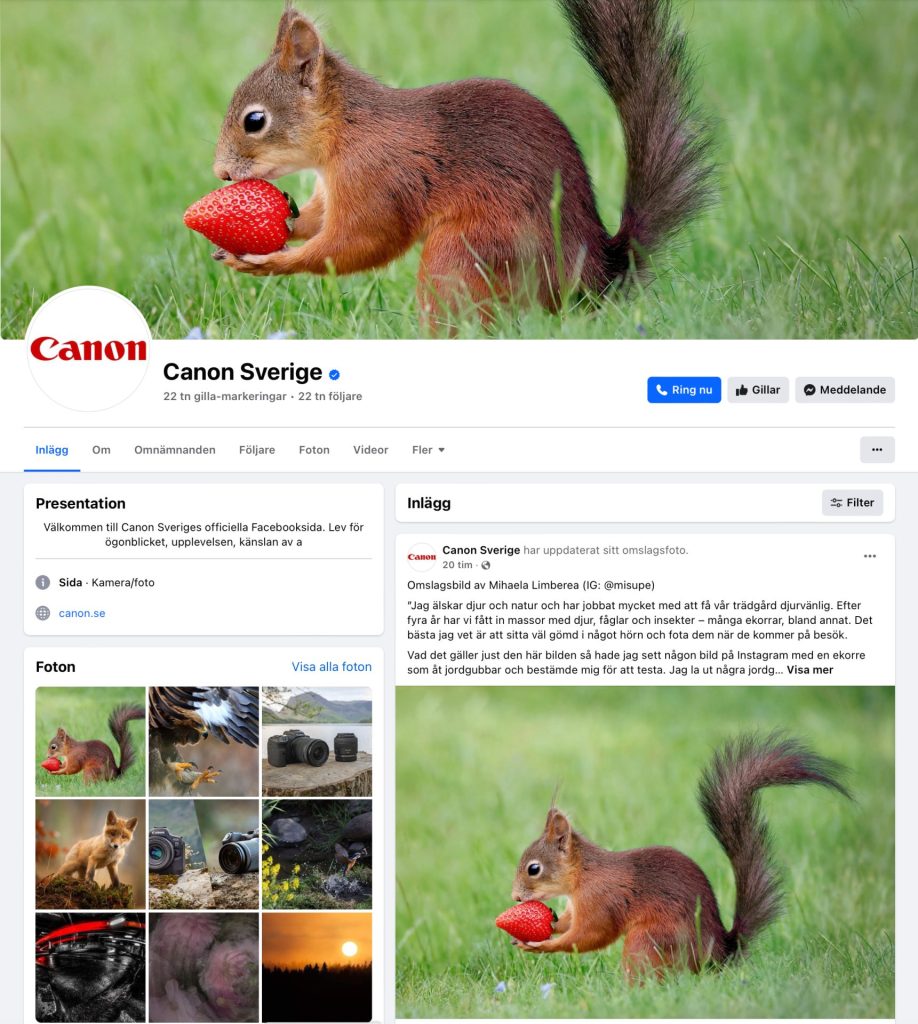
I’m honored that Canon Sweden chose my squirrel photo as their Facebook cover for October. Seeing my work featured on such a respected platform makes me incredibly proud and happy. This recognition reflects the passion I put into capturing nature’s special moments, and it truly means a lot to have it celebrated by a brand I admire.

Fun fact: Canon Romania also chose this photo as their Facebook cover in October 2024. 

Thank you, Canon, for this amazing chance to share my vision with a global audience!

Canon Sweden Facebook Cover, a red squirrel standing on a pumpkin

This is what the Canon Sweden Facebook page looks like now; I’m so proud!


Related Posts


If you liked this post, share it on your preferred social network or forward it to a friend.


Join the World Rhino Day!

White rhinoceros (Ceratotherium simum)_A tender scene of a rhinoceros and its sleeping baby in a grassy savanna at sunset. The adult rhino, with its thick grey skin and prominent horn, stands protectively beside the calf, which is curled up in the grass, its small body relaxed in slumber. The golden hues of the setting sun cast a warm glow over the pair, highlighting the texture of the grass and the rhino's rugged hide. The background fades into a soft blend of orange and purple skies, creating a serene and intimate moment in the wild.

Today is World Rhino Day 🦏.

Held annually on September 22, the day honors one of nature’s most iconic and endangered animals – the rhinoceros. Launched in 2010 by the World Wide Fund for Nature (WWF) and other conservation partners, this special day provides a chance for organizations, NGOs, and individuals worldwide to come together in celebration and action.

The main goal of World Rhino Day is to fight the rhino crisis, which is fueled by the false belief that rhino horn has medicinal powers. Although made of keratin—the same material as human fingernails—demand, especially in some Asian markets, drives poaching that endangers all five rhino species. While populations of African black and white rhinos are slowly recovering thanks to conservation efforts, the Javan and Sumatran rhinos remain critically endangered, with only a few left. The Indian rhino, though more stable, still faces habitat loss. World Rhino Day highlights initiatives to dispel these myths through education campaigns, aiming to reduce demand and save these animals from extinction.

Habitat destruction and conflicts between humans and wildlife worsen the crisis. Conservation strategies, such as dehorning, patrols, and breeding programs, have made progress, especially for white and black rhinos, but the Javan and Sumatran species remain in serious danger.

If you’re an animal lover, please join the movement on this day. Whether by donating, sharing a post with #worldrhinoday, or attending a local event, your involvement makes a difference. Visit World Rhino Day for resources, event details, and ways to participate. Together, we can ensure these magnificent creatures thrive for future generations, turning admiration into action on this important day.

When the last Rhino is gone, we will understand that we were not just losing a species; we were losing a part of ourselves.” – Dr Ian Player.


🦏 White rhinoceros (Ceratotherium simum)

📸 Canon R5M2 & Canon RF100-500mm F4.5-7.1 L IS USM

 📍Somewhere in South Africa


Related Posts


Love my work? Support my journey by buying me a coffee or sharing it on your preferred social network. And don’t forget to swing by my online shop to check out my latest prints and gifts. Thank you 🙏 !

Follow me on Instagram | Facebook | Threads | LinkedIn | Tumblr | X | Buy Me A Coffee