Tag: Safari

Favorite Photos: September 2025

  1. Favorite Photos: January 2023
  2. Favorite Photos: February 2023
  3. Favorite Photos: March 2023
  4. Favorite Photos: April 2023
  5. Favorite Photos: May 2023
  6. Favorite Photos: June 2023
  7. Favorite Photos: July 2023
  8. Favorite Photos: August 2023
  9. Paris Is Always A Good Idea
  10. Favorite Photos: October 2023
  11. Favorite Photos: November 2023
  12. Favorite Photos: December 2023
  13. Favorite Photos: January 2024
  14. Favorite Photos: February 2024
  15. Favorite Photos: March 2024
  16. Favorite Photos: April 2024
  17. Favorite Photos: May 2024
  18. Favorite Photos: June 2024
  19. Favorite Photos: July 2024
  20. Favorite Photos: August 2024
  21. Favorite Photos: September 2024
  22. Favorite Photos: October 2024
  23. Favorite Photos: November 2024
  24. Favorite Photos: December 2024
  25. Favorite Photos: January 2025
  26. Favorite Photos: February 2025
  27. Favorite Photos: March 2025
  28. Favorite Photos: April 2025
  29. Favorite Photos: May 2025
  30. Favorite Photos: June 2025
  31. Favorite Photos: July 2025
  32. Favorite Photos: August 2025
  33. Favorite Photos: September 2025
  34. Favorite Photos: October 2025
  35. Favorite Photos: November 2025 Scheduled for 2nd December 2025
  36. Favorite Photos: December 2025 Scheduled for 7th January 2026
The photo features a mating pair of Ruddy darters (Sympetrum sanguineum) in a serene, symmetrical composition above calm water. The male, with its vibrant red abdomen and translucent wings, clasps the female in the characteristic "wheel" position, their bodies aligned vertically against a soft blue sky. The reflection below mirrors them perfectly, creating an illusion of infinite extension and adding a poetic balance to the scene. Tiny dew-like sparkles glisten on their wings, caught by the gentle morning light, while the minimalistic background emphasizes their delicate forms and the intimate beauty of this natural moment.

A pair of mating ruddy darters (Sympetrum sanguineum) that I photographed at the small lake near our house, the same spot where I had photographed the four-spotted chaser last month.

These darters are small dragonflies native to Europe and parts of Asia, renowned for the males’ striking red abdomen that intensifies with age, making them a vivid sight in late summer. This dragonfly is a common species in Sweden, especially in the southern part of the country.

Trying to photograph dragonflies in flight for the first time was challenging but rewarding. The thrill came from capturing those few “perfect” moments, making the effort worthwhile. 

Dragonflies in flight are difficult to capture due to their speed and unpredictable movement. I discovered that holding down the shutter once in focus increases your chances of sharp, well-composed shots, even if it means taking hundreds of photos to get a few great ones.

Use the same settings as for small birds: animal tracking with a high shutter speed (at least 1/2.500 or 1/4.000 in good light). Animal tracking works incredibly well, especially on a clean background such as the sky or the water.

My gear and settings for this photo:

  • Canon R5 Mark II & Canon RF100-500mm F4.5-7.1 L IS USM @500mm
  • Aperture = f8 Shutter Speed = 1/4.000 ISO = Auto ISO (3.200 for this photo)
  • Drive = High Speed Continous

Steward Wood has a very good video about photographing flying dragonflies, I watched it just before I went out to the lake and it was very helpful, I recommend it if you want to try your hand at flying bugs.


This photo shows a common blue butterfly male (Polyommatus icarus) perched delicately on an Echinacea purpurea var. Magnus flower in a garden. The butterfly, with its vibrant orange and black wings spread slightly, contrasts beautifully against the flower’s large, daisy-like pink-purple petals and prominent coppery-orange center. The morning light filters through the mist, casting a soft glow on the butterfly’s intricate wing patterns and the flower’s velvety texture. The background is a gentle blur of green foliage and other blooms, enhancing the serene and delicate beauty of this early autumn garden moment.

A male common blue butterfly (Polyommatus icarus) perched on an Echinacea purpurea ‘Magnus’ flower in our garden. This is what I love about our house: a wildlife garden filled with insects, butterflies, small and not-so-small animals (deer love my flowers, too!), and numerous birds! I need only to step out to find something to photograph!

Common blue males typically have wings that are blue above, with a black-brown border and a white fringe, similar to the one in my photo. The females are usually brown above with a blue dusting and orange spots.

These butterflies drink nectar from plants like clovers and bird’s-foot trefoil. Their caterpillars eat leguminous plants and even team up with ants for protection. The adults only live about three weeks, and the males often chase each other around to defend their territory.

This photo features a ladybug perched delicately on an Echinacea purpurea var. Magnus flower. The ladybug’s vibrant red wings, dotted with black spots, stand out against the flower’s large, pink-purple petals and coppery-orange center, which are kissed by the afternoon light filtering through a gentle mist. The insect’s tiny legs grip the velvety petal, and its glossy shell reflects the soft glow, adding a touch of brilliance. The background is a soft blur of green foliage and other blooms, enhancing the serene and detailed beauty of this charming garden scene.

A ladybug perched delicately on an Echinacea purpurea var. Magnus flower – another photo from my garden.

Am I done with the safari photos? Not at all! But there’s too much of a good thing, you know. I needed a break from the hundreds of safari photos, to be honest. And the garden is so beautiful, I was aching to be out and look for butterflies, bumblebees, and ladybugs!

The photo features a lynx standing alert in a misty forest clearing. The lynx’s thick, tawny fur, speckled with dark spots, glows softly under the overcast morning light, its tufted ears perked. Its piercing amber eyes gaze intently ahead, framed by a subtle facial ruff, while its powerful legs are poised on the damp mossy ground. The background is a gentle blur of pine trees and green foliage, the mist lending an ethereal quality that enhances the wild, majestic presence of this elusive feline in its natural habitat.
A close-up photo of a lynx standing alert in a misty forest clearing. The lynx’s thick, tawny fur, speckled with dark spots, glows softly under the overcast morning light, its tufted ears perked. Its piercing amber eyes gaze intently ahead, framed by a subtle facial ruff.

A young European Lynx (Lynx lynx) male from our recent trip to Northern Sweden. I just finished culling those photos, so I haven’t processed many of them yet. However, I started working on this handsome fellow right away. I loved those eyes gazing right at you and wanted to begin working on the photo immediately.

Can you believe I shot this at ISO 10,000? It was late afternoon in the forest. The light was fading, and he was in the shade. The widest aperture on my Canon RF100-500mm lens is f/7.1, so to capture more light, I often have to use high ISOs. If the animal is not moving much, I’d lower the shutter speed a lot (think 1/100 or 1/200). However, this guy was moving too much, so my shutter speed was 1/640s. A noisy photo (grainy due to high ISO) is always preferable to a blurry one.

He stood like this for only a few seconds while I took my safety shots, then vanished before I could lower the shutter speed much more. In these cases, exposing to the right (ETTR) is key. ETTR refers to intentionally making an image brighter by adjusting exposure so that the histogram leans more toward the right side (the highlights), which helps retain more image data. Noise, or visual grain from high ISO, tends to be more visible in the darker areas of a photo, and it’s much easier to remove grain from a bright image than a dark one.

I used Lightroom Classic to reduce the noise in the image, and I think it looks pretty good. For the worst cases of noise, I usually use Topaz.

This photo features a cheetah (Acinonyx jubatus) poised gracefully on a sunlit savanna. The cheetah’s sleek, tawny coat, adorned with its signature black tear marks and spots, shimmers under the morning light, highlighting the powerful muscles beneath its lithe frame. Its amber eyes are focused intently ahead, ears perked. The background is a warm blur of acacia trees and distant plains.

A male cheetah (Acinonyx jubatus) patrolling its territory in the soft morning light, together with its two brothers (not in this photo). I was lucky enough to follow the three cheetah brothers on foot for over an hour in the Lapalala Wilderness Reserve. That was no mean feat as it did require some cardio; cheetahs move fast, even when “only” walking.

Cheetah males form coalitions (usually of 2-3 littermate brothers) to establish and defend small territories (15-50 square miles/39-130 km²) within prey-rich areas. Living in coalitions rather than solitude enhances survival and mating success. In contrast, females range over much larger, nomadic territories, spanning up to 300 square miles (800 km²). Patrols by males involve daily circuits (6-11 km at 2.5-3.8 km/h) to monitor territory for intruders, prey, and potential mates.

During patrols, males mark boundaries at least once per hour using urine sprays, defecation, or cheek/chin rubbing, which conveys chemical signals about their identity and status; they revisit these sites frequently to reinforce claims. Vocalizations, such as high-pitched chirps, purrs, or growls, along with visual displays, help communicate and deter rivals. However, conflicts can escalate into fights over access to females or resources, sometimes resulting in injury or death. Coalitions rarely venture far from their core area except briefly to seek estrus females, prioritizing defense over expansion.

Young males leave their mother at 15-24 months and spend years as ‘floaters’ (roaming vast areas up to 1,600 km²) before gaining a territory, often as adults. This queuing strategy, combined with eventual coalition patrols, improves their chances against established groups. Patrols secure breeding rights and facilitate cooperative hunting, highlighting the cheetah’s distinctive, coalition-based social structure amid their decreasing wild population (~7,100).


📸 All photos were taken with Canon R5 Mark II & Canon RF100-500mm F4.5-7.1 L IS USM.


Related Posts


Love my work? Support my journey by buying me a coffee or sharing it on your preferred social network. And don’t forget to swing by my online shop to check out my latest prints and gifts. Thank you 🙏 !

Follow me on Instagram | Facebook | Threads | LinkedIn | Tumblr | X | Buy Me A Coffee 


Favorite Photos: August 2025

  1. Favorite Photos: January 2023
  2. Favorite Photos: February 2023
  3. Favorite Photos: March 2023
  4. Favorite Photos: April 2023
  5. Favorite Photos: May 2023
  6. Favorite Photos: June 2023
  7. Favorite Photos: July 2023
  8. Favorite Photos: August 2023
  9. Paris Is Always A Good Idea
  10. Favorite Photos: October 2023
  11. Favorite Photos: November 2023
  12. Favorite Photos: December 2023
  13. Favorite Photos: January 2024
  14. Favorite Photos: February 2024
  15. Favorite Photos: March 2024
  16. Favorite Photos: April 2024
  17. Favorite Photos: May 2024
  18. Favorite Photos: June 2024
  19. Favorite Photos: July 2024
  20. Favorite Photos: August 2024
  21. Favorite Photos: September 2024
  22. Favorite Photos: October 2024
  23. Favorite Photos: November 2024
  24. Favorite Photos: December 2024
  25. Favorite Photos: January 2025
  26. Favorite Photos: February 2025
  27. Favorite Photos: March 2025
  28. Favorite Photos: April 2025
  29. Favorite Photos: May 2025
  30. Favorite Photos: June 2025
  31. Favorite Photos: July 2025
  32. Favorite Photos: August 2025
  33. Favorite Photos: September 2025
  34. Favorite Photos: October 2025
  35. Favorite Photos: November 2025 Scheduled for 2nd December 2025
  36. Favorite Photos: December 2025 Scheduled for 7th January 2026
This photo showcases a black-backed jackal (Lupulella mesomelas) basking in the soft morning light on a savanna. The jackal’s sleek, tan coat with subtle grey and brown hues glows warmly as the first rays of sunlight filter through the scattered acacia trees. Its alert ears are perked, and its golden eyes catch the light, giving it a sharp, inquisitive expression. The background features a misty expanse of golden grass and distant hills, blurred to emphasize the jackal’s solitary figure against the tranquil, dew-kissed landscape.

Culling is finally complete, and I’ve begun processing the photos from my trip to South Africa in June! Here’s a striking image of a black-backed jackal (Lupulella mesomelas) basking in the gentle morning light. Doesn’t it pose beautifully?

The black-backed jackal is native to South Africa, easily recognized by its distinctive black and silver saddle-like markings. This adaptable species thrives in various habitats, from grasslands to deserts, and is commonly found in Kruger National Park. Notably, these jackals are monogamous, forming strong pair bonds, with both parents actively involved in raising their pups, which are typically born in litters of 2 to 6.

This photo features a baby Southern white rhinoceros (Ceratotherium simum simum) standing close to its mother on a misty savanna. The calf’s light grey skin, still soft and slightly wrinkled, contrasts with the mother’s broader, more weathered hide, both glistening with morning dew under the gentle dawn light. The baby presses against its mother’s sturdy side, its small horn just beginning to emerge. The background is a soft blur of golden grass, the mist lending an ethereal glow that enhances the tender bond between the pair in this serene wilderness setting.

How adorable is this Southern white rhinoceros calf?

Southern white rhinoceros (Ceratotherium simum simum) calves are capable of standing and walking within just hours of their birth. They remain with their mothers for 2 to 3 years, during which they learn vital survival skills, including foraging for food and evading predators.

This photo features a zebra standing gracefully on a misty savanna. The zebra’s bold black-and-white stripes gleam with a soft sheen as the early morning light filters through the haze, illuminating its sleek form against a backdrop of golden grass and scattered acacia trees. Its head is slightly turned, revealing a curious eye and flared nostrils, while its mane stands upright, adding texture to the scene. The background is a gentle blur of muted greens and browns, with the mist lending an ethereal quality that enhances the zebra’s striking pattern and serene presence in the dawn stillness

Say “Cheese!” This zebra certainly doesn’t seem to need a dentist, does it?

Zebras (Equus quagga), native to South Africa and other regions of eastern and southern Africa, are famous for their unique black-and-white striped patterns, which are as distinctive as human fingerprints. These stripes are thought to help deter biting flies and may also confuse predators, such as lions, when zebras move in herds. When they run together, their stripes create a visual “motion dazzle” effect, making it more challenging for predators to single out an individual zebra.

Black and white close-up photo of a young lioness, gazing directly at the viewer.

I captured this image of a young lioness during my stay at Lepogo Lodges/Noka.

Lionesses (Panthera leo) are the primary hunters in a pride, working cooperatively in groups to take down prey like wildebeest and zebra. They are highly social, forming the core of the pride and raising cubs communally, with females often nursing each other’s young.

Lionesses are incredibly strong, capable of running at speeds up to 50 km/h (31 mph) in short bursts to chase prey.

This photo portrays a cheetah (Acinonyx jubatus) in a misty, pre-sunrise setting. The cheetah stands alert on a grassy plain, its sleek, spotted coat faintly illuminated by the soft, dim light. The fog creates a dreamy haze, obscuring the background and lending a mysterious aura, with only vague outlines of distant trees visible. The cheetah’s piercing eyes and streamlined form are highlighted against the muted grey tones, capturing a moment of stillness and anticipation as dawn approaches.

One of the two cheetah brothers (Acinonyx jubatus) we followed while they were patrolling their territory on a misty morning. They would stop every now and then to check their surrounding and mark the territory.

Cheetahs patrol their territory by marking it with urine and claw scratches, signaling ownership to other cheetahs. Males often form coalitions to patrol larger territories, which can cover up to 1,500 square kilometers, while females patrol smaller, overlapping ranges to safeguard their cubs. They utilize elevated spots, such as termite mounds, to survey their territory, scanning for intruders or prey, especially during early morning or late afternoon patrols.

This patrolling behavior helps cheetahs avoid conflicts with larger predators, such as lions, as they adapt their routes to steer clear of overlapping territories. During these patrols, cheetahs can cover vast distances at speeds of up to 60-70 km/h (37-43 mph) in short bursts, relying on their keen eyesight to monitor their domain.


📸 All photos were taken with Canon R5 Mark II & Canon RF100-500mm F4.5-7.1 L IS USM.


Related Posts


Love my work? Support my journey by buying me a coffee or sharing it on your preferred social network. And don’t forget to swing by my online shop to check out my latest prints and gifts. Thank you 🙏 !

Follow me on Instagram | Facebook | Threads | LinkedIn | Tumblr | X | Buy Me A Coffee 


Favorite Photos: July 2025

  1. Favorite Photos: January 2023
  2. Favorite Photos: February 2023
  3. Favorite Photos: March 2023
  4. Favorite Photos: April 2023
  5. Favorite Photos: May 2023
  6. Favorite Photos: June 2023
  7. Favorite Photos: July 2023
  8. Favorite Photos: August 2023
  9. Paris Is Always A Good Idea
  10. Favorite Photos: October 2023
  11. Favorite Photos: November 2023
  12. Favorite Photos: December 2023
  13. Favorite Photos: January 2024
  14. Favorite Photos: February 2024
  15. Favorite Photos: March 2024
  16. Favorite Photos: April 2024
  17. Favorite Photos: May 2024
  18. Favorite Photos: June 2024
  19. Favorite Photos: July 2024
  20. Favorite Photos: August 2024
  21. Favorite Photos: September 2024
  22. Favorite Photos: October 2024
  23. Favorite Photos: November 2024
  24. Favorite Photos: December 2024
  25. Favorite Photos: January 2025
  26. Favorite Photos: February 2025
  27. Favorite Photos: March 2025
  28. Favorite Photos: April 2025
  29. Favorite Photos: May 2025
  30. Favorite Photos: June 2025
  31. Favorite Photos: July 2025
  32. Favorite Photos: August 2025
  33. Favorite Photos: September 2025
  34. Favorite Photos: October 2025
  35. Favorite Photos: November 2025 Scheduled for 2nd December 2025
  36. Favorite Photos: December 2025 Scheduled for 7th January 2026
A low key photo of a Chacma baboon or Cape baboon (Papio ursinus)

I’m still culling through safari photos, but I’ve also started processing some of my favorites. This is why the culling is moving so slowly.

One of the first images I completed processing is of a Chacma baboon, also known as a Cape baboon (Papio ursinus), photographed at the Marataba Mountain Lodge. The baboon’s position inspired a low-key processing approach, and I love the result.

Fighting African elephants (Loxodonta africana)

Clash of the Giants: African bush elephants (Loxodonta africana).

African elephants engage in mock fights, especially young bulls, to hone skills rather than cause harm. Training through play helps young elephants develop strength, coordination, and social bonds, crucial for survival and hierarchy. These interactions involve trunk wrestling and head-pushing, teaching balance and power without serious injury.

Serious fights are rare, reserved for dominance disputes, with play serving as a safer learning ground.

Play fighting also reinforces group dynamics, preparing calves for adult roles, emphasizing its role over actual combat in elephant life.

Two cheetah brothers (Acinonyx jubatus)

Sentinels: two cheetah brothers (Acinonyx jubatus). I photographed them early in the morning, before the sun was up, and the morning mist still hung in the air, creating an eerie atmosphere.

The brothers were out patrolling their territory and stood still for a few minutes, checking their surroundings.

Cheetahs patrol their territories to mark and defend them, often using scent markers like urine. Males, especially brothers like these two, patrol together, covering up to 1,500 square kilometers to maintain their range. Patrols occur mostly at dawn or dusk, with cheetahs using elevated spots to scan for intruders or prey.

They avoid direct confrontation when possible, relying on vocalizations and scent to warn off rivals rather than fighting.

Waterbuck (Kobus ellipsiprymnus)

A waterbuck female (Kobus ellipsiprymnus) I photographed while staying at Lepogo Lodges/Noka.

Waterbucks are often found near water sources, which they rely on for escape from predators. Waterbucks are strong swimmers and can dive underwater to evade threats.

Despite their name, they don’t drink water daily, getting much of their moisture from the grasses they eat.

Alow key photyo of a young lioness  (Panthera leo) on the prowl.

A young lioness (Panthera leo) on the prowl, stalking a giraffe under the midday sun. The hunt is on.

High-key edits aren’t usually my style, but this scene demanded it. Harsh light, a bright background, and the lioness in the shade called for a bold, high-key approach to capture the moment’s intensity.

Four-spotted Chaser (Libellula quadrimaculata

Four-spotted Chaser (Libellula quadrimaculata), a dragonfly so called because of the four dark spots on its wings, two on each forewing. It thrives in a variety of wetland habitats, including ponds, lakes, slow-moving rivers, and marshes. It prefers areas with abundant vegetation, such as reeds and grasses, which provide perching spots and shelter. This species is highly adaptable and can be found across Europe and parts of Asia, from lowland areas to elevations up to 1,000 meters.

I photographed it at a lake near our house, an excellent spot for finding butterflies and dragonflies this time of year. I find myself returning to it in every season, as there is always something to photograph: squirrels, foxes, jays, woodpeckers, birds of prey, small birds, insects, and flowers. 

Did you know that the Four-spotted Chaser is notably territorial, with males aggressively defending their chosen perching spots or breeding territories from rival males? They patrol their territory by flying short, rapid circuits and will engage in aerial chases or confrontations to ward off intruders. Males are particularly active during warm, sunny weather, often seen hovering or darting to catch prey.

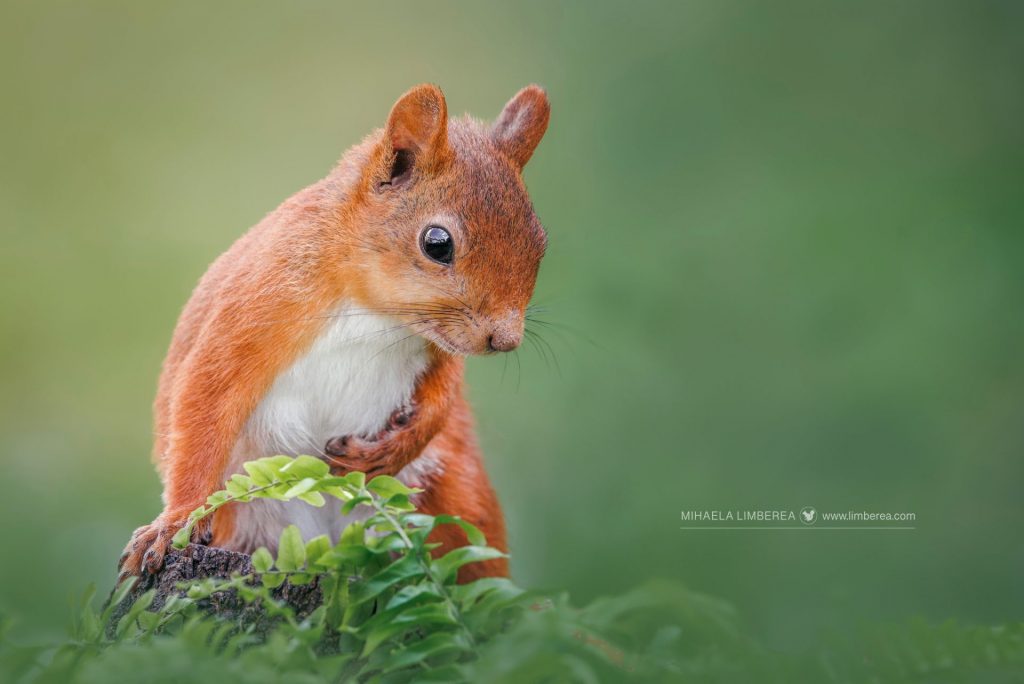
Close-up of a red squirrel (Sciurus vulgaris) holding a chestnut.

As always, a red squirrel (Sciurus vulgaris) with a chestnut 😁. Can you believe how utterly adorable this squirrel is 😍?


📸 All photos were taken with Canon R5 Mark II & Canon RF100-500mm F4.5-7.1 L IS USM.


Related Posts


Love my work? Support my journey by buying me a coffee or sharing it on your preferred social network. And don’t forget to swing by my online shop to check out my latest prints and gifts. Thank you 🙏 !

Follow me on Instagram | Facebook | Threads | LinkedIn | Tumblr | X | Buy Me A Coffee 


Favorite Photos: June 2025

  1. Favorite Photos: January 2023
  2. Favorite Photos: February 2023
  3. Favorite Photos: March 2023
  4. Favorite Photos: April 2023
  5. Favorite Photos: May 2023
  6. Favorite Photos: June 2023
  7. Favorite Photos: July 2023
  8. Favorite Photos: August 2023
  9. Paris Is Always A Good Idea
  10. Favorite Photos: October 2023
  11. Favorite Photos: November 2023
  12. Favorite Photos: December 2023
  13. Favorite Photos: January 2024
  14. Favorite Photos: February 2024
  15. Favorite Photos: March 2024
  16. Favorite Photos: April 2024
  17. Favorite Photos: May 2024
  18. Favorite Photos: June 2024
  19. Favorite Photos: July 2024
  20. Favorite Photos: August 2024
  21. Favorite Photos: September 2024
  22. Favorite Photos: October 2024
  23. Favorite Photos: November 2024
  24. Favorite Photos: December 2024
  25. Favorite Photos: January 2025
  26. Favorite Photos: February 2025
  27. Favorite Photos: March 2025
  28. Favorite Photos: April 2025
  29. Favorite Photos: May 2025
  30. Favorite Photos: June 2025
  31. Favorite Photos: July 2025
  32. Favorite Photos: August 2025
  33. Favorite Photos: September 2025
  34. Favorite Photos: October 2025
  35. Favorite Photos: November 2025 Scheduled for 2nd December 2025
  36. Favorite Photos: December 2025 Scheduled for 7th January 2026
White rhinoceros (Ceratotherium simum)_A tender scene of a rhinoceros and its sleeping baby in a grassy savanna at sunset. The adult rhino, with its thick grey skin and prominent horn, stands protectively beside the calf, which is curled up in the grass, its small body relaxed in slumber. The golden hues of the setting sun cast a warm glow over the pair, highlighting the texture of the grass and the rhino's rugged hide. The background fades into a soft blend of orange and purple skies, creating a serene and intimate moment in the wild.

I’m back from safari and culling tens of thousands of photos! I’m itching to process photos instead of culling but it has to be done. I couldn’t resist and started editing a few images, though.

One favorite captures a female rhino grazing serenely at sunset, her calf napping nearby. Look closely, and you’ll spot the calf tucked in the tall grass to her right, with a starling perched cheekily on its back.

Did you know that rhino calves can stand and walk within hours of birth? This rapid adaptation helps them keep pace with their mother or herd in the wild. 

Young rhinos stay close to their mothers for 2-3 years, learning essential survival skills like foraging for food and recognizing potential threats from predators.

I shot this during a sundowner, when the light was absolutely magical—golden and breathtaking! While everyone else mingled around the table, sipping drinks and chatting, I wandered off to capture the moment. They probably thought I was odd, but did I care? Not a bit.

🦏 White rhinoceros (Ceratotherium simum)

📸 Canon R5M2 & Canon RF100-500mm F4.5-7.1 L IS USM

This photo depicts a lively scene of lion cubs (Panthera leo) playing in a sunlit savanna. Two cubs, with their fluffy, light-brown fur and small, rounded ears, are engaged in a playful tussle, one pouncing on the other amid a patch of dry grass. Their paws are raised, and their expressions show a mix of curiosity and joy. The background features a blurred expanse of golden grass and distant acacia trees under a clear blue sky, enhancing the wild, energetic atmosphere.

Lion cubs playing by a waterhole while their mother and the other two siblings were resting in the shade.

Playing is crucial for lion cubs, and it starts at a surprisingly early age-3-4 weeks old. This play is not just for fun, it’s a key part of their development. It helps them develop hunting skills, coordination, and social bonds with their siblings, preparing them for life in a pride. The play often involves mimicking adult behaviors like stalking and wrestling, which strengthens muscles and teaches them to cooperate with pride members later in life.

🦁 Lion (Panthera leo)

📸 Canon R5M2 & Canon RF100-500mm F4.5-7.1 L IS USM

The photo features a young lion (Panthera leo) resting on a dry, earthy ground with a textured, sandy background. The lion has a light brown coat with a developing mane, indicating its youth. Its expression is calm and direct, with golden eyes gazing forward. The lighting is warm, casting soft shadows and highlighting the lion's fur, giving it a majestic yet serene appearance.

Future king in the making. A playful young lion takes a break, soaking up the sun after a playful day with his siblings. He’s going to grow into a heartbreaker, I’m sure. Isn’t he gorgeous?

🦁Lion (Panthera leo)

📸 Canon R5 & Canon RF100-500mm F4.5-7.1 L IS USM


Related Posts


Love my work? Support my journey by buying me a coffee or sharing it on your preferred social network. And don’t forget to swing by my online shop to check out my latest prints and gifts. Thank you 🙏 !

Follow me on Instagram | Facebook | Threads | LinkedIn | Tumblr | X | Buy Me A Coffee 


Favorite Photos: August 2024

  1. Favorite Photos: January 2023
  2. Favorite Photos: February 2023
  3. Favorite Photos: March 2023
  4. Favorite Photos: April 2023
  5. Favorite Photos: May 2023
  6. Favorite Photos: June 2023
  7. Favorite Photos: July 2023
  8. Favorite Photos: August 2023
  9. Paris Is Always A Good Idea
  10. Favorite Photos: October 2023
  11. Favorite Photos: November 2023
  12. Favorite Photos: December 2023
  13. Favorite Photos: January 2024
  14. Favorite Photos: February 2024
  15. Favorite Photos: March 2024
  16. Favorite Photos: April 2024
  17. Favorite Photos: May 2024
  18. Favorite Photos: June 2024
  19. Favorite Photos: July 2024
  20. Favorite Photos: August 2024
  21. Favorite Photos: September 2024
  22. Favorite Photos: October 2024
  23. Favorite Photos: November 2024
  24. Favorite Photos: December 2024
  25. Favorite Photos: January 2025
  26. Favorite Photos: February 2025
  27. Favorite Photos: March 2025
  28. Favorite Photos: April 2025
  29. Favorite Photos: May 2025
  30. Favorite Photos: June 2025
  31. Favorite Photos: July 2025
  32. Favorite Photos: August 2025
  33. Favorite Photos: September 2025
  34. Favorite Photos: October 2025
  35. Favorite Photos: November 2025 Scheduled for 2nd December 2025
  36. Favorite Photos: December 2025 Scheduled for 7th January 2026
Close-up of a red squirrel

Red Squirrel (Sciurus vulgaris). This is one of my top favorite photos this year, likely one of the 2024 top ten.

Kangaroo Island Kangaroos

Morning grooming routine 🤭. Kangaroo Island kangaroos, a subspecies of the Western Grey Kangaroo (Macropus fuliginosus), photographed at the wildlife sanctuary created by Ecopia Retreat on Kangaroo Island.
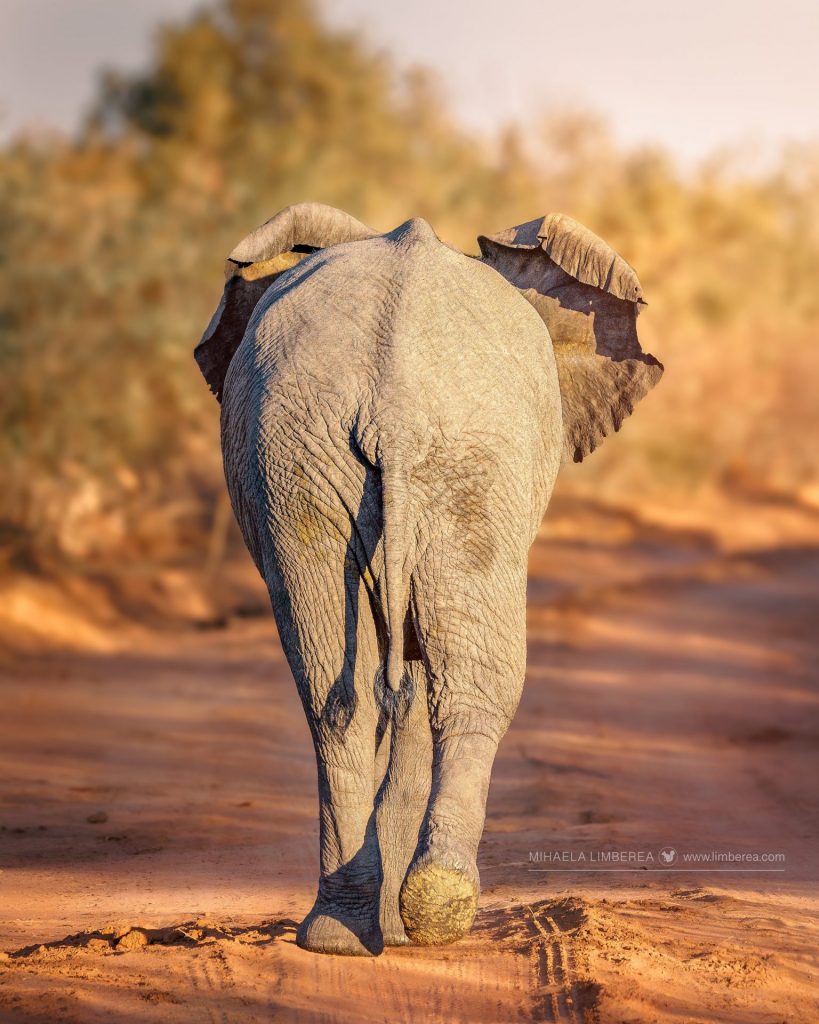
Walking elephant

Morning traffic, Marataba Marakele, South Africa.

Close-up of Kangaroo Island Kangaroos

A kangaroo joey tenderly grooms her mother ❤️. I photographed this cute pair at the wildlife sanctuary created by Ecopia Retreat on Kangaroo Island.

The kangaroos in the photo are Kangaroo Island kangaroos, a subspecies of the Western Grey Kangaroo (Macropus fuliginosus). Because of their long period of isolation from mainland Australia, the KI kangaroos are pretty different from the Western Grey kangaroos. They’re shorter, darker, and much cuter if you ask me!
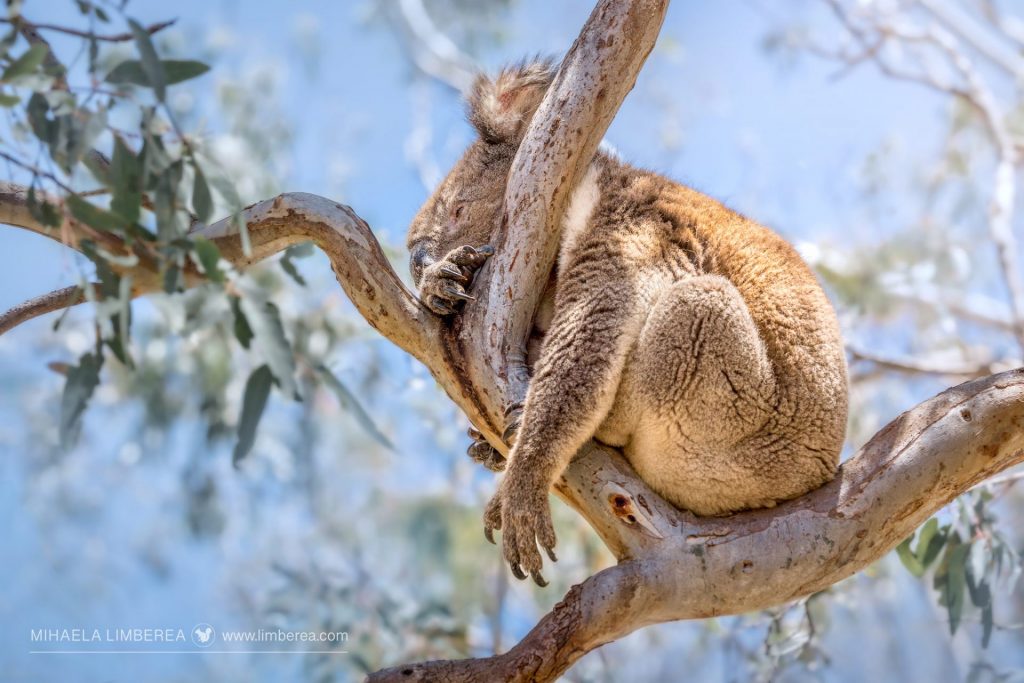
Koala

That Monday morning feeling 😵‍💫. Koala (Phascolarctos cinereus) photographed somewhere in the Middle River area on Kangaroo Island, South Australia.

Australian Sea Lions

Moments like these are why I love wildlife photography 😍. Australian sea lions (Neophoca cinerea) photographed during a guided research tour at the Seal Bay Con­ser­va­tion Park, Kangaroo Island.


All photos were taken with Canon EOS R5 and Canon RF100-500mm F4.5-7.1 L IS USM.


Related Posts


If you liked this post, share it on your preferred social network or forward it to a friend.


Favorite Photos: July 2024

  1. Favorite Photos: January 2023
  2. Favorite Photos: February 2023
  3. Favorite Photos: March 2023
  4. Favorite Photos: April 2023
  5. Favorite Photos: May 2023
  6. Favorite Photos: June 2023
  7. Favorite Photos: July 2023
  8. Favorite Photos: August 2023
  9. Paris Is Always A Good Idea
  10. Favorite Photos: October 2023
  11. Favorite Photos: November 2023
  12. Favorite Photos: December 2023
  13. Favorite Photos: January 2024
  14. Favorite Photos: February 2024
  15. Favorite Photos: March 2024
  16. Favorite Photos: April 2024
  17. Favorite Photos: May 2024
  18. Favorite Photos: June 2024
  19. Favorite Photos: July 2024
  20. Favorite Photos: August 2024
  21. Favorite Photos: September 2024
  22. Favorite Photos: October 2024
  23. Favorite Photos: November 2024
  24. Favorite Photos: December 2024
  25. Favorite Photos: January 2025
  26. Favorite Photos: February 2025
  27. Favorite Photos: March 2025
  28. Favorite Photos: April 2025
  29. Favorite Photos: May 2025
  30. Favorite Photos: June 2025
  31. Favorite Photos: July 2025
  32. Favorite Photos: August 2025
  33. Favorite Photos: September 2025
  34. Favorite Photos: October 2025
  35. Favorite Photos: November 2025 Scheduled for 2nd December 2025
  36. Favorite Photos: December 2025 Scheduled for 7th January 2026
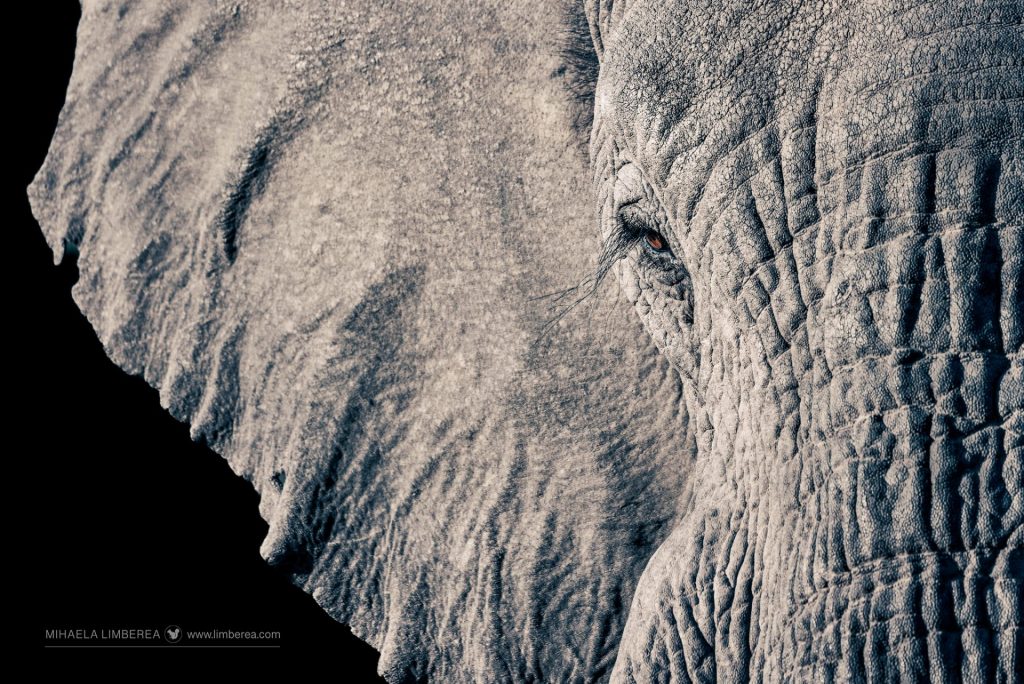
Close-up of an African elephant head

I didn’t do much photo processing this month, what with summer vacations, gardening, and the Olympics.

African elephant photographed in Marataba Marakele, South Africa. Many people commented on the elephant’s long lashes on Instagram, but most missed just how long they really were. Take another look. Yes, they are long and thick near the eye, but if you look closer, you’ll see that they are even longer than you think!

A zebra walking leisurely ahead of its harem in the Marakele National Park, South Africa

A zebra walks leisurely ahead of its harem in the Marakele National Park, South Africa. In zoology, a harem is a group of zebras consisting of one stallion, several mares, and their offspring.

Two Southern yellow-billed hornbills on a perch

Southern yellow-billed hornbills (Tockus leucomelas) are also called ‘flying bananas’ because of their huge bills. This bird’s bill is remarkably large in comparison to its body and can make up to 1/6th of its entire body length!

Interesting breeding behavior: Once a mating pair is established, they search for a nesting site, often in a tree facing northeast, and construct their nest using leaf litter and bark. The female enters the hole, seals it with her droppings, and leaves a small opening for the male to feed her while she tends to the eggs.

The female lays 3 or 4 eggs and incubates them for 25 days without leaving the nest. During this time, she sheds all her flight and tail feathers, becoming reliant on the male and vulnerable if he is absent or harmed. While in the nest, her feathers regrow, and she emerges with new plumage when the oldest chick is about 3 weeks old. Both parents take turns feeding the chicks for the next 6 weeks. When the chicks mature, hunger prompts them to break down the nest wall.


Stay tuned because I’m bursting with excitement to share more about this unforgettable adventure with all of you!


Related Posts


If you liked this post, share it on your preferred social network or forward it to a friend.


Favorite Photos: June 2024

  1. Favorite Photos: January 2023
  2. Favorite Photos: February 2023
  3. Favorite Photos: March 2023
  4. Favorite Photos: April 2023
  5. Favorite Photos: May 2023
  6. Favorite Photos: June 2023
  7. Favorite Photos: July 2023
  8. Favorite Photos: August 2023
  9. Paris Is Always A Good Idea
  10. Favorite Photos: October 2023
  11. Favorite Photos: November 2023
  12. Favorite Photos: December 2023
  13. Favorite Photos: January 2024
  14. Favorite Photos: February 2024
  15. Favorite Photos: March 2024
  16. Favorite Photos: April 2024
  17. Favorite Photos: May 2024
  18. Favorite Photos: June 2024
  19. Favorite Photos: July 2024
  20. Favorite Photos: August 2024
  21. Favorite Photos: September 2024
  22. Favorite Photos: October 2024
  23. Favorite Photos: November 2024
  24. Favorite Photos: December 2024
  25. Favorite Photos: January 2025
  26. Favorite Photos: February 2025
  27. Favorite Photos: March 2025
  28. Favorite Photos: April 2025
  29. Favorite Photos: May 2025
  30. Favorite Photos: June 2025
  31. Favorite Photos: July 2025
  32. Favorite Photos: August 2025
  33. Favorite Photos: September 2025
  34. Favorite Photos: October 2025
  35. Favorite Photos: November 2025 Scheduled for 2nd December 2025
  36. Favorite Photos: December 2025 Scheduled for 7th January 2026
Close-up of a lion

The King.

As you may have seen from my Instagram stories, I went on a safari in South Africa, a truly awe-inspiring experience. We spent ten incredible days first in the Marakele National Park, Thabazimbi, and then in the Lapalala Wilderness Reserve, where we were privileged to witness animals in their natural habitat, a sight that never ceased to amaze us.

A lion walking in the early morning light.

A lion strolling leisurely through the Lapalala Wilderness Reserve bathed in the gentle glow of the early morning light.

A lion resting in the early morning light.

Captivated by the serene beauty of the wilderness. Witnessing this majestic lion immersed in the soft morning light was truly an unforgettable experience.

Two giraffes

Chasing giraffes and zebras! 🦒 Spotting giraffes in their natural habitat is always the highlight of any safari for me. I absolutely love animals with spots or stripes, so this was a dream come true. While some people rushed to look for the Big Five, I went after giraffes and zebras, LOL. 

I captured this photo in Marakele National Park, Thabazimbi, our first stop. During our visit, we spent a few days at the Marataba Mountain Lodge, featuring only five suites and offering a breathtaking view of the nearby mountains. Situated in a privately managed area within Marakele National Park, the lodge is approximately a 3-hour and 30-minute drive from Johannesburg.

Walking cheetah

Imagine the thrill of spotting a young male cheetah on a beautiful golden afternoon while walking just a few meters behind him! It was just my husband, our experienced guide Brendan Vorster (IG: @brendans_wildlife), and me alone in the long grass; the quiet scene occasionally interrupted by the calls of birds and the sound of the wind rustling through the tree leaves. It was an unforgettable experience that we’ll always cherish. 

The cheetah (Acinonyx jubatus), the fastest land animal, can sprint at an astonishing 93 to 104 km/h (58 to 65 mph). Its body is uniquely designed for speed, with a slender build, long, thin legs, and a lengthy tail. The semi-retractable claws, a distinctive feature not found in other cats, play a crucial role in its remarkable speed.  

*

Lapalala Wilderness Reserve was our second safari destination. We were incredibly fortunate to be accommodated at the Noka Camp, one of the renowned Lepogo Lodges. The five villas, perched on a striking 100-foot clifftop, not only offered awe-inspiring views over the Palala River but also provided a lavish and cozy stay. The lodge, a few hours’ drive from Johannesburg, is completely malaria-free, a key factor in our decision to choose it.

Close-up of two cheetahs

Brotherly love at its finest. These two cheetah brothers always have each other’s backs.

Two walking cheetahs

Double trouble. Two young cheetah brothers walk gracefully in the Lapalala Wilderness Reserve on a golden afternoon, the epitome of grace and speed. They moved effortlessly at a seemingly slow pace, yet we could barely keep up with them.

Close-up of an elephant with a baby

Mesmerized by the gentle strength and protective nature of this beautiful female elephant with her adorable baby following closely behind. 🐘💕

Elephant breeding herd

An elephant breeding herd in the breathtaking Marakele National Park, what an awesome sight! The mother in front was very protective of the baby, stirring up dust, flapping her ears, and trumpeting vigorously to keep us away.


Stay tuned, because I’m bursting with excitement to share more from this unforgettable adventure with all of you!


Related Posts


If you liked this post, share it on your preferred social network or forward it to a friend.